








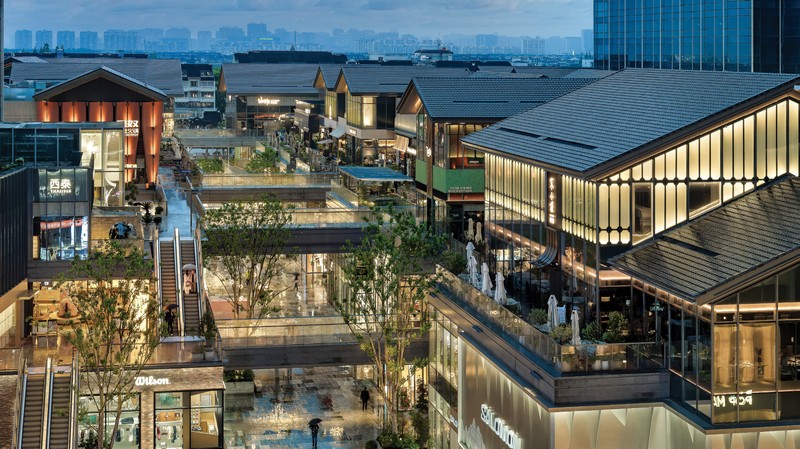
In Suzhou’s historic Shilu district, Suzhou MixC World opens as a new benchmark for street-led destinations. Designed by Lead8 for Huamao Group and CR Mixc Lifestyle this 140,000 sqm mixed-use hub weaves local culture into contemporary retail, setting a market-leading standard across China and the Asia Pacific.
For Lead8, the project redefines how curated streets, culture and community activate urban cores. It’s about bringing people back to the streets – creating places where daily life unfolds naturally, from casual strolls to planned gatherings.
“Suzhou MixC World answers the question: how do you carry an historic city’s spirit forward without freezing it in time?” says Simon Chua, Co Founder & Executive Director at Lead8. “We created a place that feels contemporary yet unmistakably Suzhou from the first step.”
Reframing Retail for Long-Term Value
Part of the larger Suzhou China Central Place – with its Ritz-Carlton hotel, Grade-A offices, international apartments and H+ Art Museum – MixC World targets younger audiences through carefully defined lifestyle “scenes.” Think fashion streets, food alleys, cultural nodes, pet-friendly zones and popular “guochao” national-brand areas. CR Mixc Lifestyle’s ambition to lead the curated retail market drove a focus on flexibility, operational efficiency and future-proofing from day one.
Amidst today’s fast-moving commercial market, Lead8 was engaged by the developer to reimagine the project’s positioning – transforming the existing asset through strategic upgrades and innovative concepts that are responsive to market shifts and tomorrow’s possibilities.
“We started with operations, not aesthetics,” explains Eddy Sun, Senior Associate Director – Architecture. “The street layout, circulation and scale all had to support retail evolution over the next 10 to 20 years.
We asked: how can streets adapt as shopping, dining and social habits change?” This operational lens shaped everything – from tenant mix to street proportions. Lead8 worked closely with leasing and operations teams to ensure the architecture could flex for new formats, pop-ups and hybrid uses without losing its core identity.
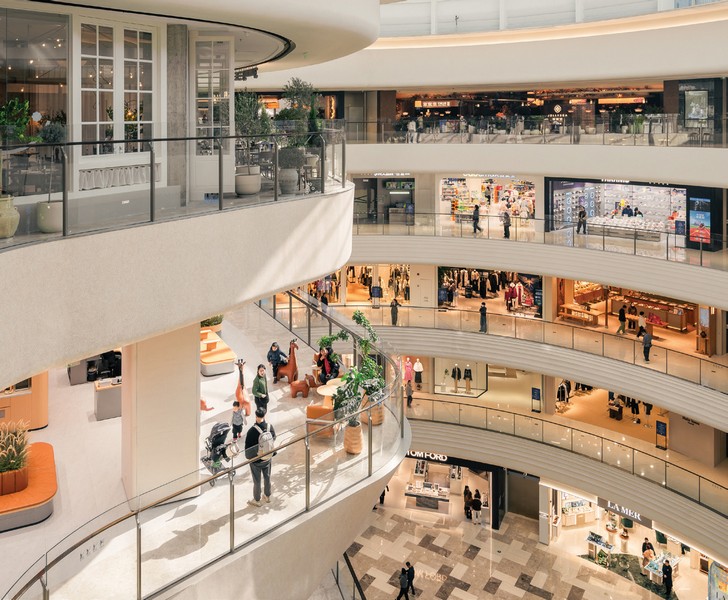

Designing the Street Experience
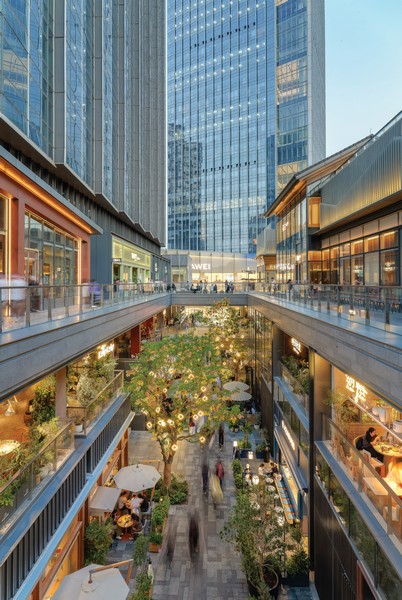
Lead8’s design draws heavily from Suzhou’s street patterns and classical gardens. The team applied a “point–line–ring” strategy: first identifying key “points” of activity like flagship stores and event plazas; then planning main and secondary routes with varied scales; and finally linking everything into clear loops that extend into neighbouring developments.
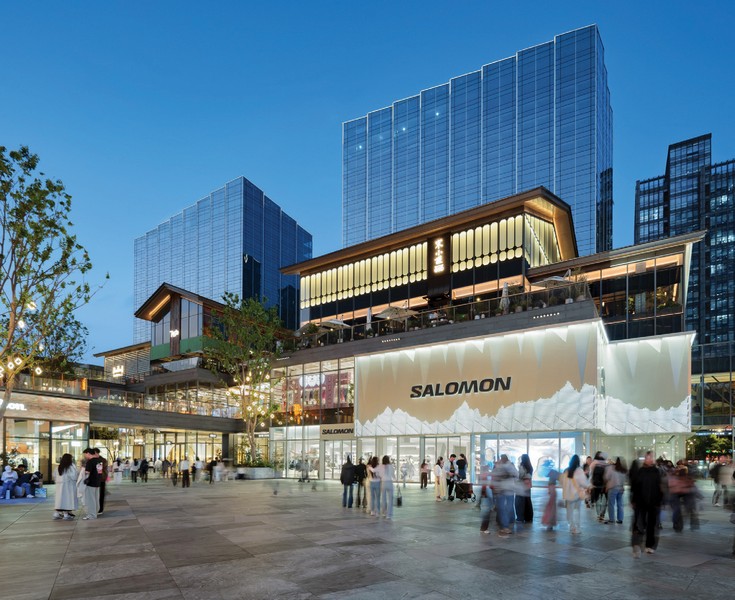
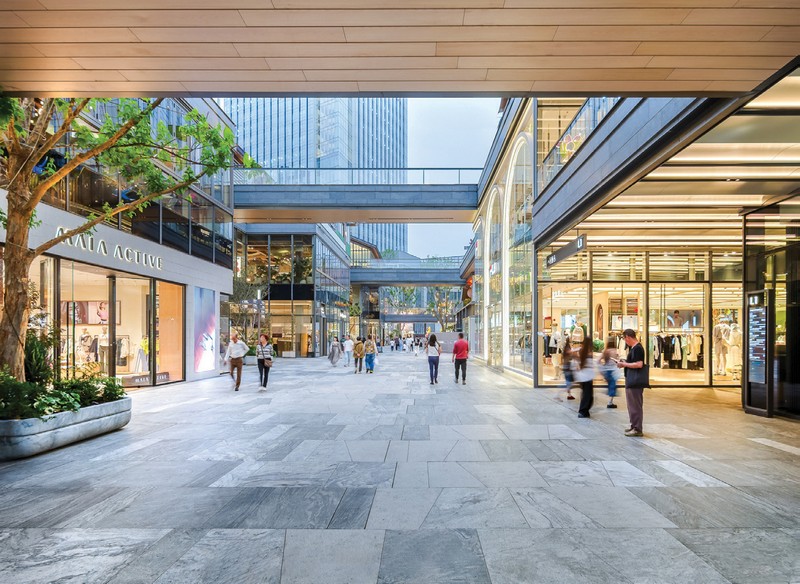
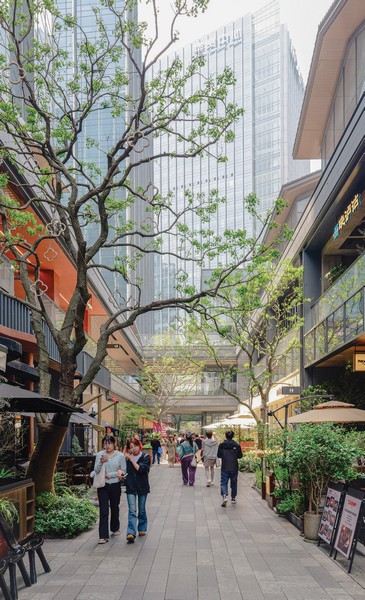
The result is a highly porous, walkable network of streets, plazas and courtyards rather than a traditional enclosed mall. Street widths shift deliberately – narrow for intimacy and discovery in dining alleys, wider for event space and long sightlines in main retail avenues. This calibration creates natural pauses, frames views of activity ahead, and boosts the walkability of the entire Shilu district.
“You shift from shaded alleys to bright plazas, from intimate lanes to public stages,” notes Sun. “We continually fine-tuned proportions, so each street feels right – human-scaled yet generous enough for crowds.
This rhythm builds emotional connection and encourages people to linger, explore and return.”
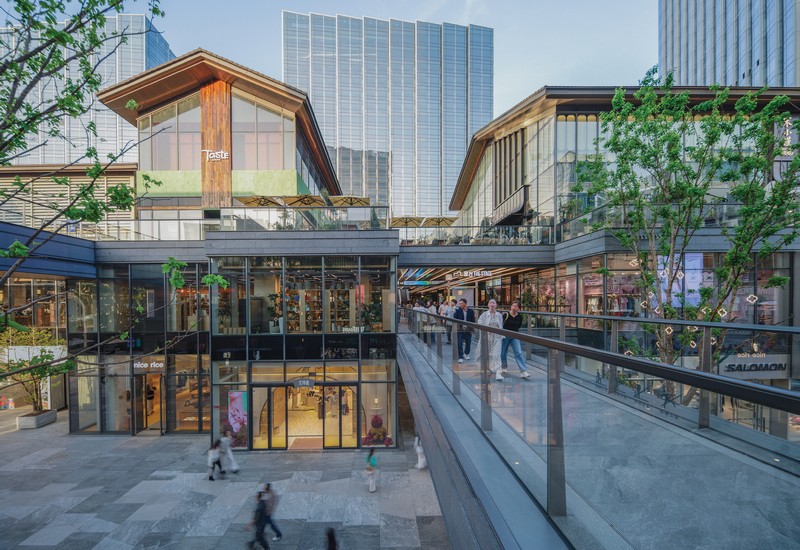
Local culture anchors the experience. A historic Suzhou scroll depicting old city trade and life became the design’s guiding reference – not for literal replication, but to inform spatial choreography. Breaks in building mass, framed views through arches, and stepped forms echo traditional garden techniques where scenes reveal themselves gradually.
Facades incorporate subtle patterns from guild halls; landscapes nod to classical compositions. Nearby historic sites and the H+ Art Museum integrate seamlessly, so MixC World feels like an extension of Suzhou’s cultural fabric, not a separate island.
“We treated culture as a living palette,” says Chua. “The scroll helped us choreograph movement, light and thresholds – changing every turn into a fragment of the city’s story, even for first-time visitors.”
Climate Comfort & Nature
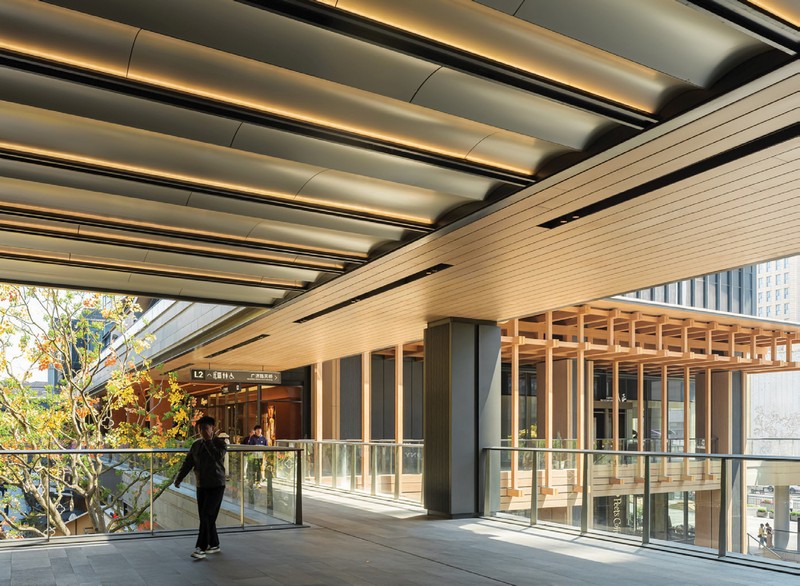
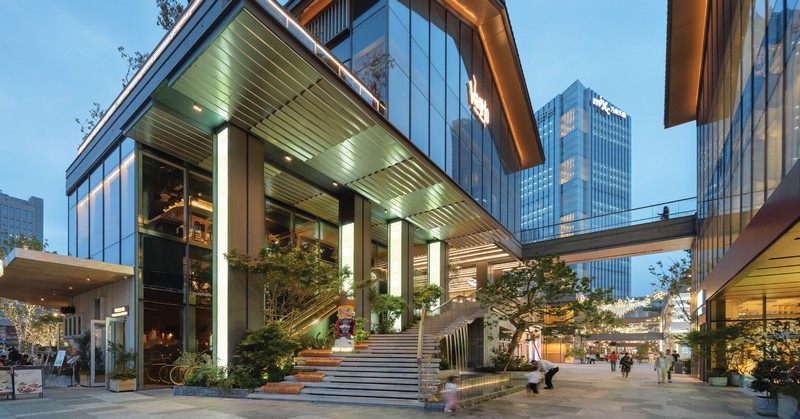
Comfort drives the street design. Outdoor and semi-open areas use smart passive strategies: layered canopies and overhangs maximise shading; street orientations and massing buffer cold northern winds while capturing breezes. These moves ensure year round usability, whether it’s humid summers or cool winters.
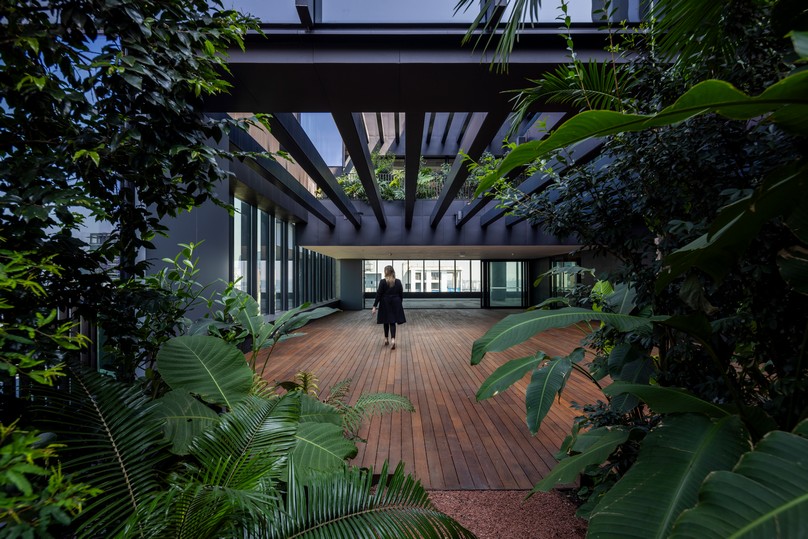
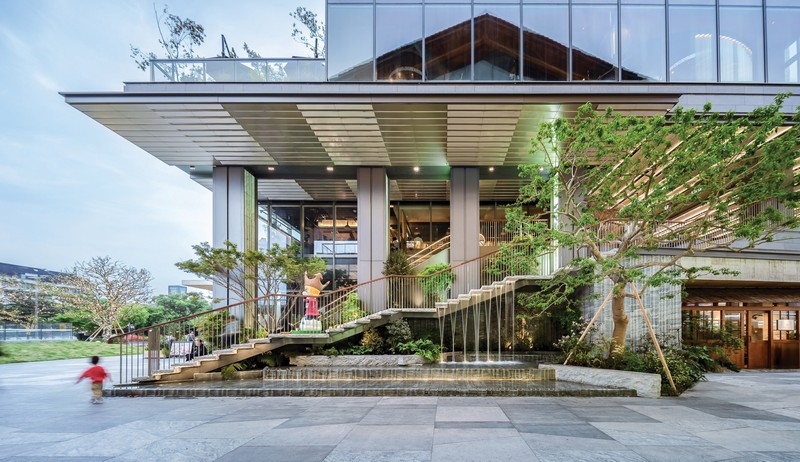
Landscape acts as everyday infrastructure, not mere decoration. Mature trees anchor green plazas, softening microclimates and drawing people in. Strategic planting along lanes cools pedestrian paths; water features in courtyards add gentle sound and humidity relief. Every element enhances how spaces feel to the body – cooler in heat, sheltered in wind, shaded at midday.
“Landscape integration was critical,” says Sun. “It’s not just green for green’s sake – it creates microclimates that make streets genuinely comfortable, encouraging people to stay longer and connect more deeply with the place.”
Welcoming Urban Living Rooms
Plazas anchor the street journeys as the district’s “urban living rooms.” One features a broad staircase with level changes, doubling as an event stage, casual seating and photo moment – directly inspired by Suzhou’s traditional gathering spaces.
A quieter tree-shaded plaza offers open-air respite amid the city bustle – a visible nod to the project’s site-sensitive ethos.
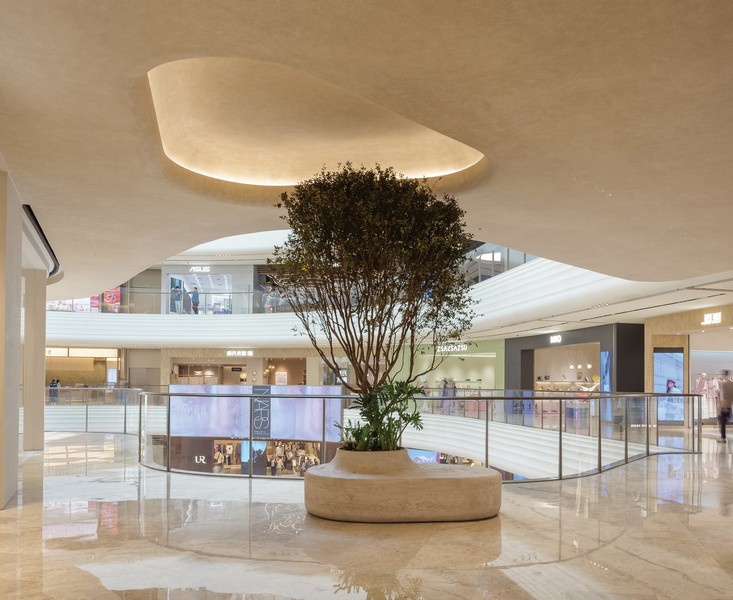
Architecture, interiors and landscape were conceived as one unified story. “Each zone evokes an emotional response through material shifts, lighting and proximity to nature,” says Felix Cheung, Senior Associate Director – Interiors. “We were fascinated by creating diverse spaces – quiet nooks for conversations, open stages for groups, relaxed retreats for solo visitors – so everyone finds a place that resonates.”
Lead8’s scope spanned planning, architecture, interiors and tenant coordination. “From commercial strategy to post-leasing shopfront concepts, we set clear but flexible design rules,” notes Cheung. “Brands keep their individuality while reinforcing the larger street life narrative.”
Leading the Way in Curated Retail
For Asia Pacific developers, this street-centric, emotionally attuned model addresses a critical need: destinations that thrive amid constant change. Enhanced access, visibility, event ready infrastructure and modular adaptability position Suzhou MixC World as a resilient asset that can evolve with new retail partners, formats and community uses.
The development leads the curated retail space market with a blueprint others will follow — demonstrating how thoughtful street design can transform urban sites into beloved, everyday destinations.
As Chua concludes: “We see MixC World as a new chapter in Suzhou’s urban story – a place where the energy of the streets, the richness of culture and the life of the community come together to define its future.”