









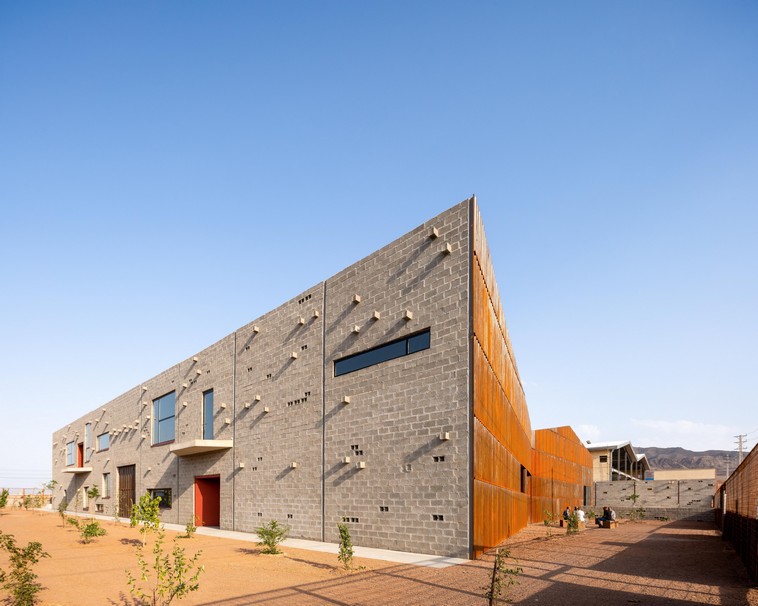
Iran‑based Davood Boroojeni Office has completed a striking new addition to the Shamim Polymer Factory in Eshtehard, a semi‑industrial suburb of Tehran. The project, the Process Department, is defined by its raw iron cladding — a material choice that sets the tone for an industrial aesthetic while quietly recording the passage of time and use. Photography: Deed Studio
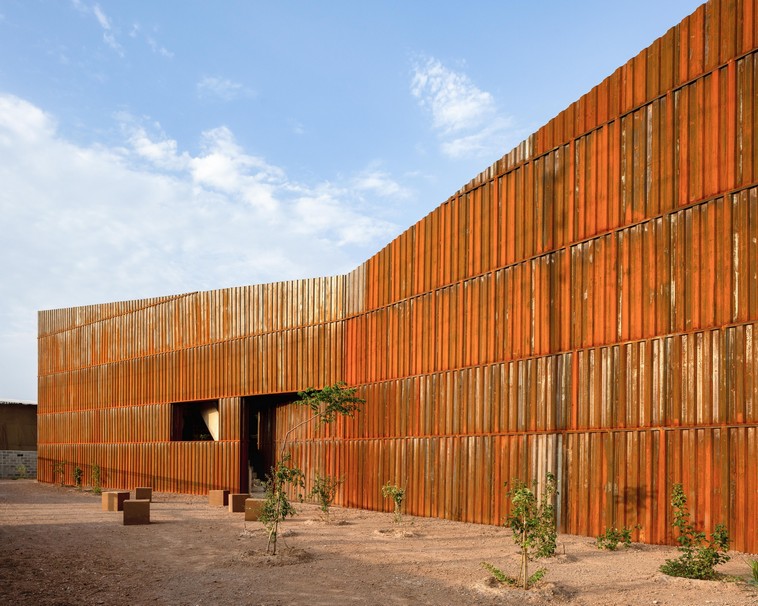
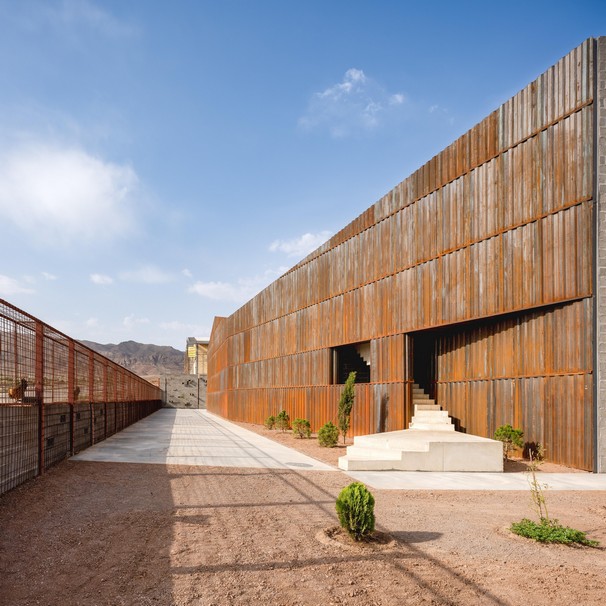
This emphasis on iron sheets is more than surface treatment; it is a deliberate gesture that reflects both the factory’s function and the evolving life within.
Façade as Living Record
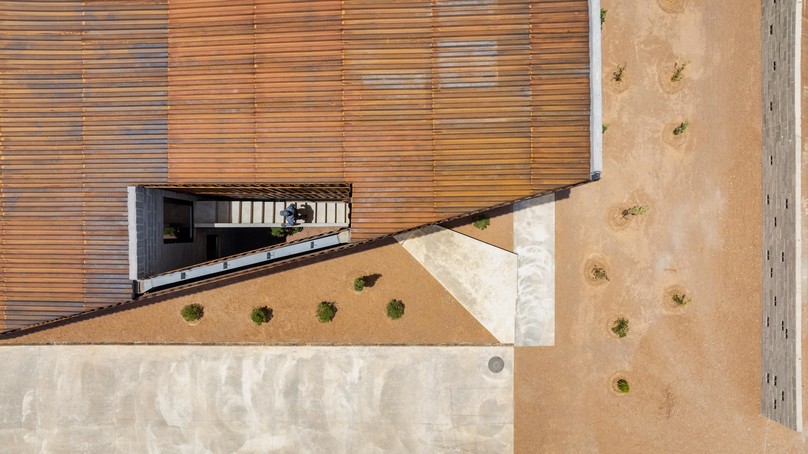
Covering 2,200 square metres, the building is composed of two asymmetrical forms that embody the concept of optimisation. Rather than imposing a rigid architectural statement, the design mirrors the factory’s mission of efficiency and practicality. The architects returned to the site three years after completing an earlier building, only to find that workers had reshaped spaces through routines, informal gatherings and overlooked corners. Instead of resisting these changes, the design embraced them. The Process Department was conceived as a response to lived reality, not just technical requirements.
The iron cladding is central to this philosophy. It is not polished to perfection but left raw, allowing weathering and occupation to inscribe their marks. In this way, the façade becomes a living record of the building’s use, a surface that acknowledges imperfection as part of its identity. This approach aligns with the studio’s theoretical trajectory of “form as error” — treating deviation not as flaw but as opportunity.
Everyday Life in Industrial Space
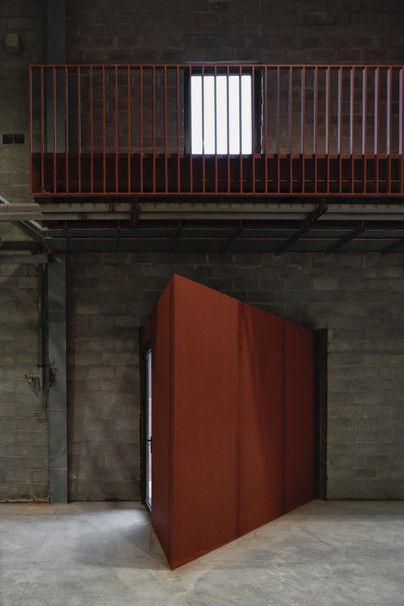
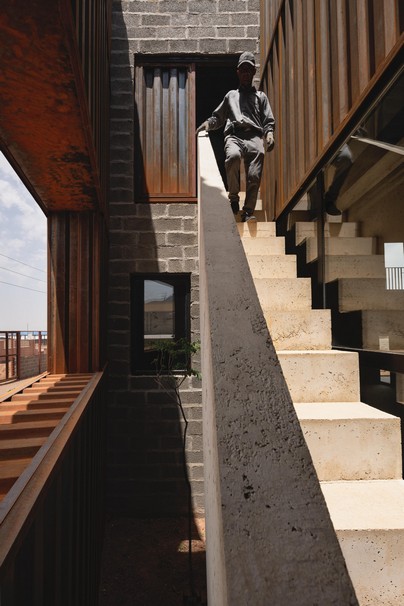
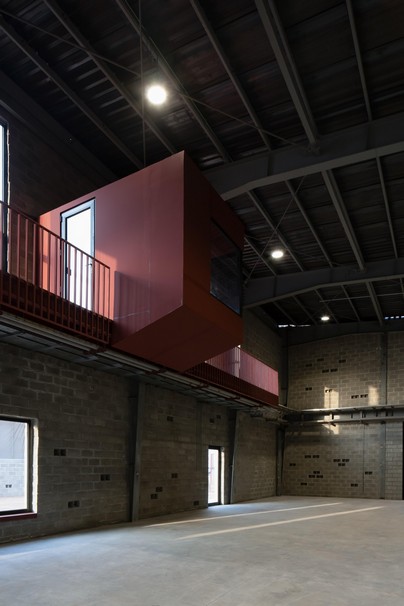
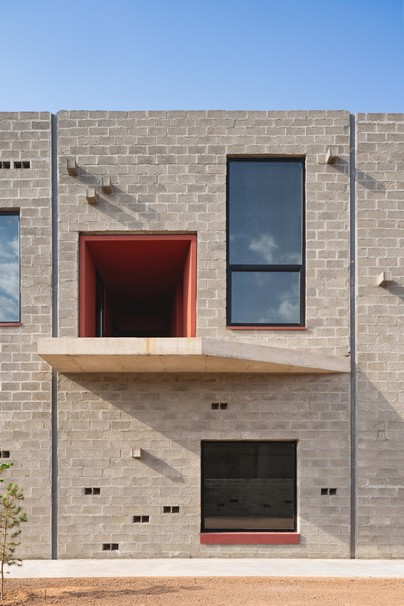
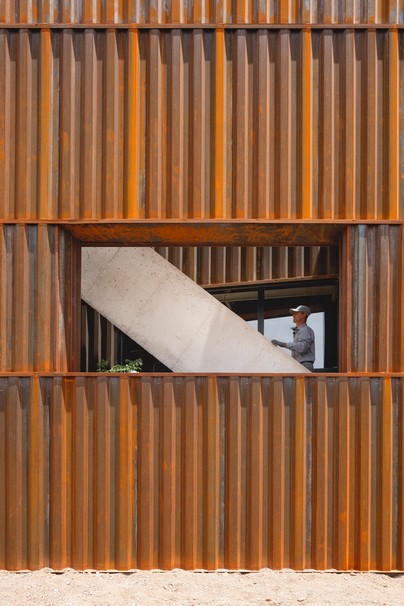
Inside, storytelling elements animate the industrial atmosphere. Transparent hatches punctuate the walls, creating openness and connectivity across the workspace. Courtyard break areas on the east and west sides provide moments of pause without disrupting production. Even the smoking area, often relegated to improvised corners, has been integrated as a transparent room visually linked to the production floor. These interventions are intentionally modest yet deeply human.
Worker well‑being is woven into the design at every level. Employees were actively involved in shaping their environment, and their input led to personalised touches. One example is the inclusion of a chicken coop, suggested during construction, which acknowledges everyday relationships that extend beyond machinery and logistics. Such details transform the factory into a place that feels familiar, almost like a second home.
The project also redefines the role of the architect. Completion is not seen as the end of the process but as the beginning of the building’s life with its users. By returning to observe how spaces evolve, the architects position themselves as participants in an ongoing dialogue rather than authors of a finished object. This attitude underscores the idea that factories are sustained not only by production but by observation, maintenance, informal conversations and routines that gradually shape the workplace.
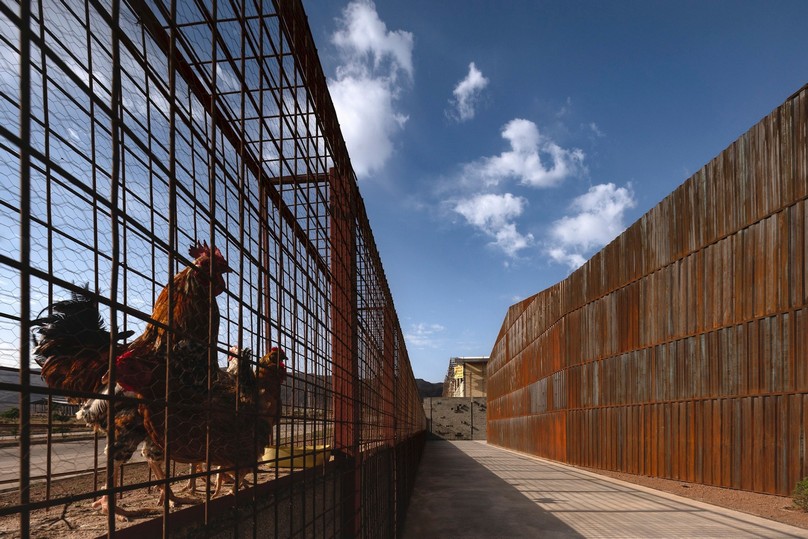
For Eshtehard, a barren landscape that has become a hub of industrial expansion over the past five decades, the Process Department stands out as a thoughtful intervention. It is industrial architecture that resists spectacle, preferring instead to highlight the quiet realities of work. The iron façade, weathering with time, becomes a symbol of this philosophy — a reminder that architecture is not static but continuously reshaped by those who inhabit it.