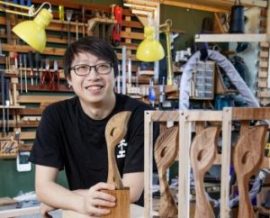












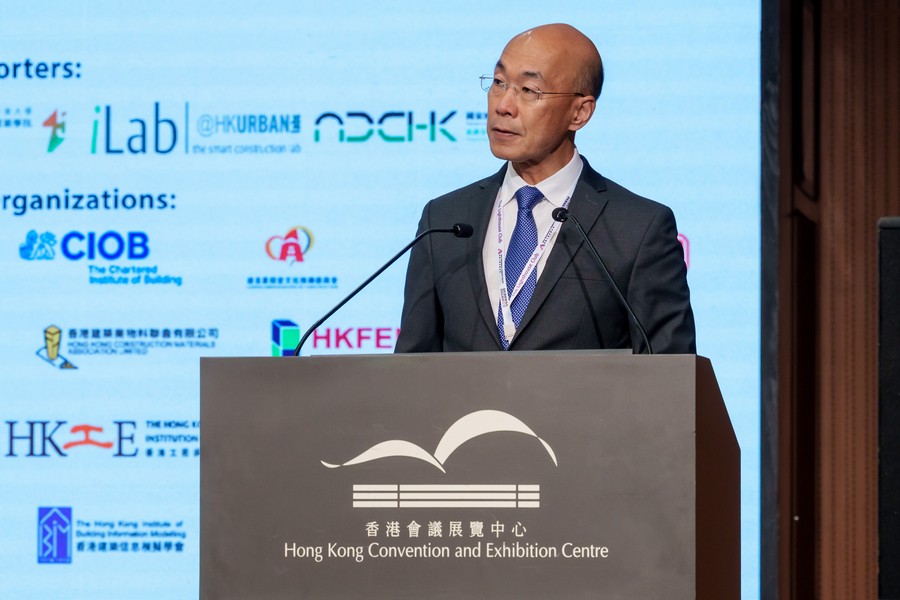
was a keynote speaker at the International Construction Conference, a key event of the Lighthouse Club Hong Kong Branch’s 40th Anniversary celebrations.
Text: Mike Staley Images: CEDD
Hong Kong is has entered a defining era. The Northern Metropolis — spanning one third of the city’s land area — is no longer just a blueprint. It is becoming the stage on which Hong Kong will reimagine its future: a hub for innovation and technology, a magnet for global talent and a model of coexistence between development and conservation.
At the centre of this transformation is Michael Fong, Director of the Civil Engineering and Development Department (CEDD). In an exclusive interview, Mr Fong speaks with
conviction about how the Northern Metropolis (NM) as more than a construction project. It is, he insists, a social and ecological experiment designed to position Hong Kong as an international innovation and technology (I&T) centre.
“The positioning of the NM is very clear,” Fong explains. “Hong Kong will develop an international I&T hub. Everything we build in the NM will support this major goal. And alongside I&T, education is equally crucial, because talent is the foundation.”
Hong Kong’s universities, five of which rank among the world’s top 100, provide the academic strength to support this ambition. The NM will expand this advantage through University Towns, establishing dedicated clusters for health sciences, digital technologies and emerging industries.
“We are building University Towns that focus on areas like health sciences and digital technologies,” he says.
“This will not only support Hong Kong as an international I&T centre, but also attract talents from around the world.”
The vision is deliberately inclusive. Mr Fong emphasises that the NM is planned as an “all-age inclusive community”, where education, healthcare, housing and employment are seamlessly integrated.
Nature-based Solutions
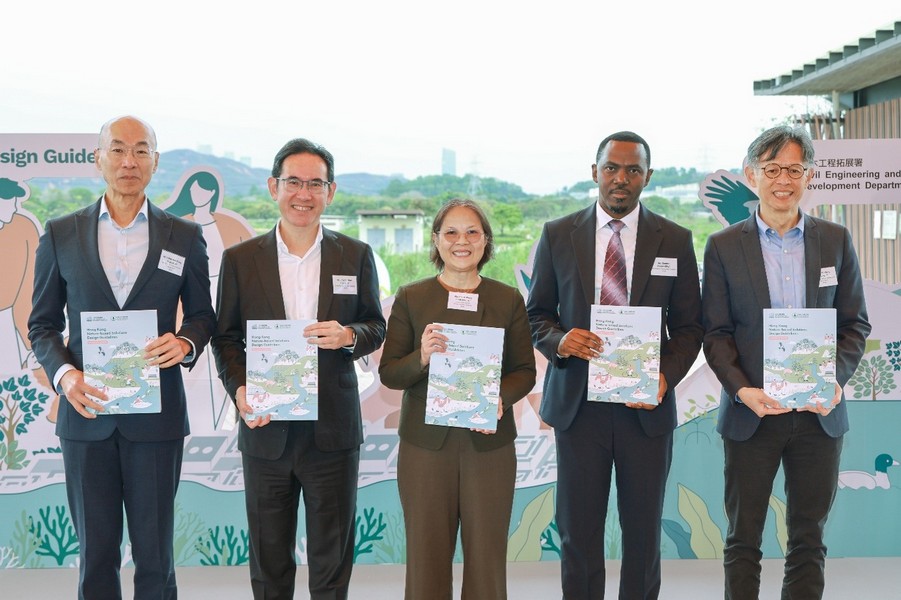
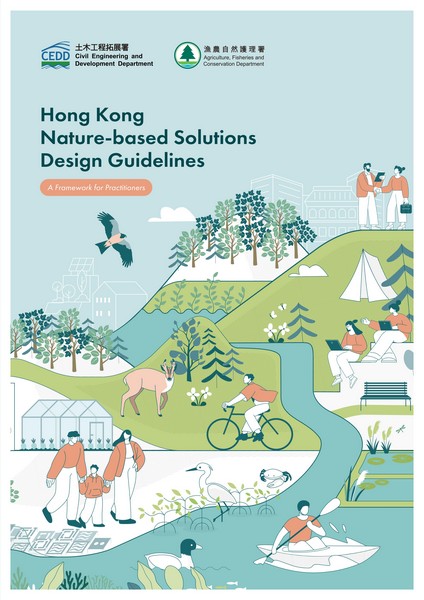
If the NM is Hong Kong’s boldest urban experiment, the Hong Kong Nature-based Solutions Design Guidelines (HKNbSDG) serves as itsframework. The Guidelines are jointly prepared by the CEDD and theAgriculture, Fisheries and Conservation Department and endorsedby the International Union for Conservation of Nature (IUCN),translating global NbS principles into Hong Kong’s dense metropolitan context.
“We are emphasising the coexistence of development and conservation,” Fong says. “That’s why we spent so much effort producing the Guidelines to ensure that every department, consultant and developer applies the same standards.”
Charles Karangwa, the IUCN’s Global Head of NbS, praised the initiative as “demonstrating the forward looking leadership in operationalising nature as essential infrastructure.” Fong is proud of that recognition:
“This HKNbSDG is the first set of guidelines of its kind in the world. We are setting a global standard.”
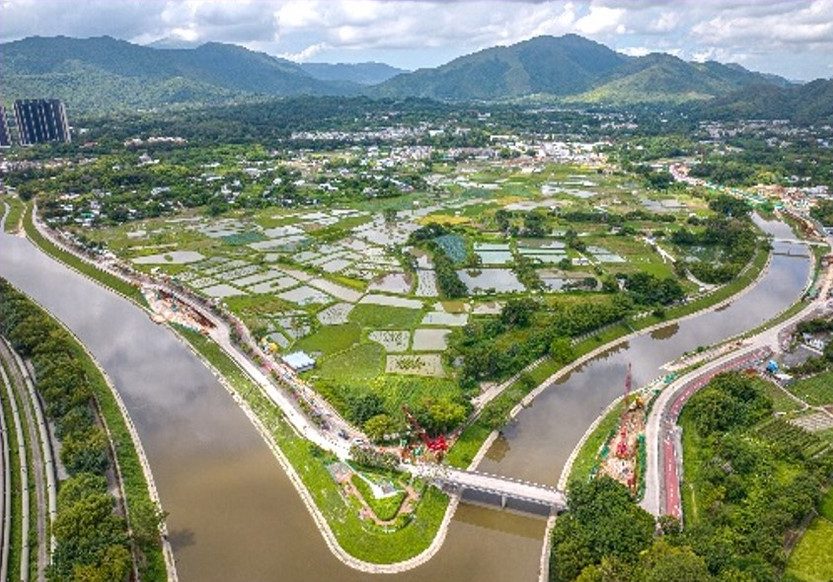
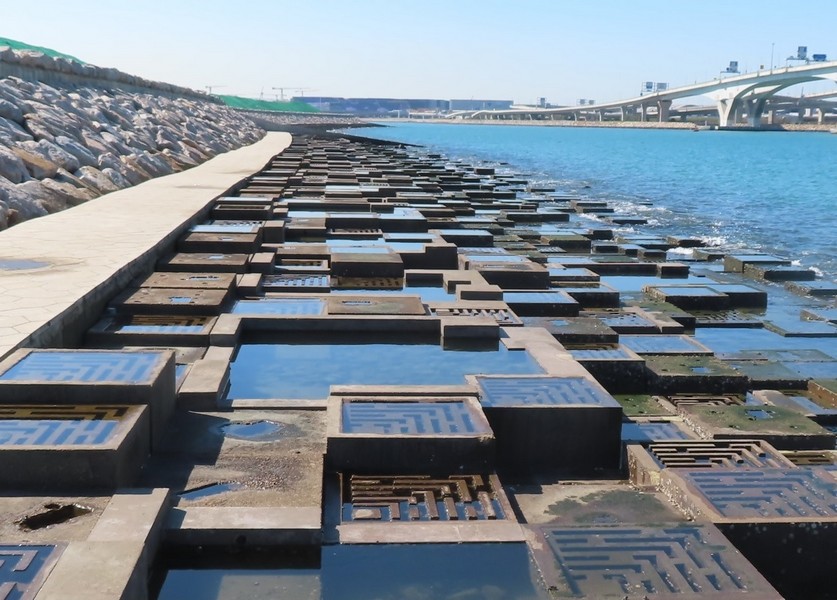
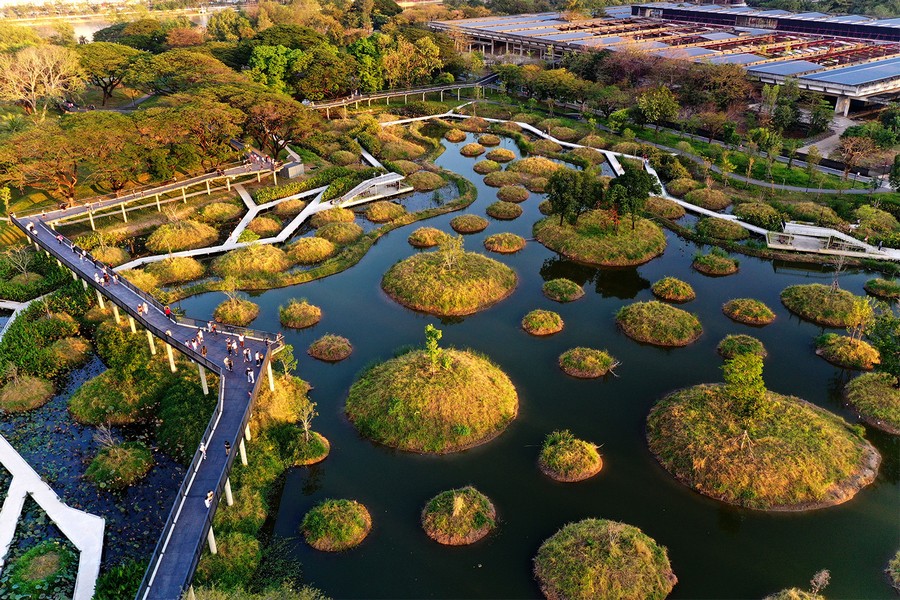
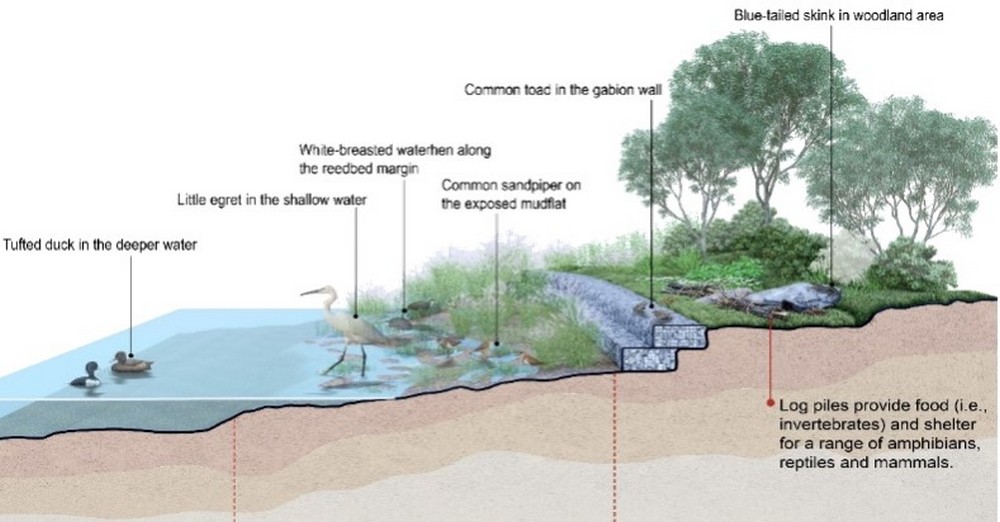
The Guidelines rest on three principles: promoting ecosystem diversity, embracing human-nature coexistence and improving resilience. Case studies such as Long Valley Nature Park and the Tung Chung East eco-shoreline demonstrate how NbS can deliver biodiversity gains, enhance flood protection and create community space concurrently.
For Fong, NbS are essential safeguards against typhoons, flooding and heat stress. Sponge city drainage systems, eco-river channels and urban mini-forests are practical defences that open the door to green finance, providing banks with benchmarks to measure biodiversity and resilience as assets.
Land, Wetlands & Eco-tourism
The vision of NM extends beyond establishing new towns and transport links. It also preserves wetlands, striking a delicate balance between ecology and development.
“When we plan the Northern Metropolis, we always bear in mind that development and conservation must coexist,” Fong explains.
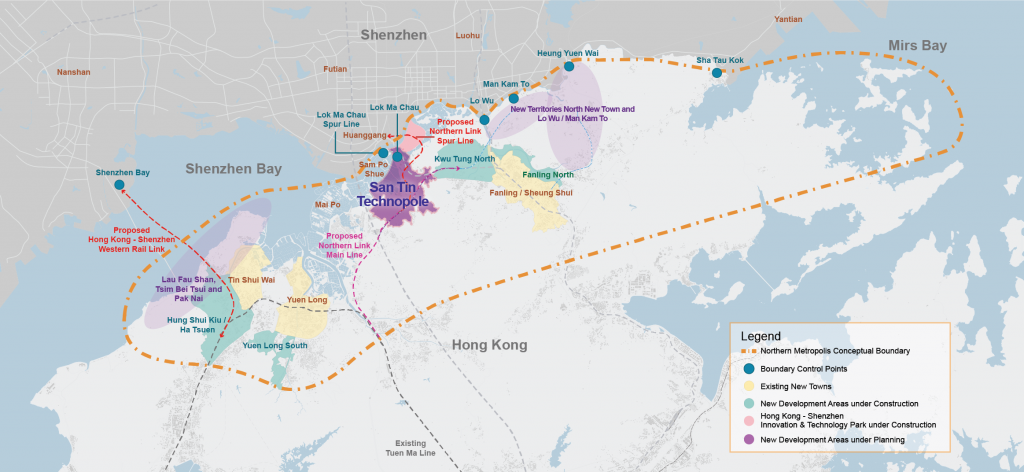
This philosophy is embodied in the Sam Po Shue Wetland Conservation Park, a 348-hectare project integrating biodiversity, aquaculture and eco-education. Ecologically enhanced fishponds will conserve bird habitats while supporting modernised aquaculture. Ecotourism, Fong stresses, must be carefully managed to avoid harming sensitive areas.
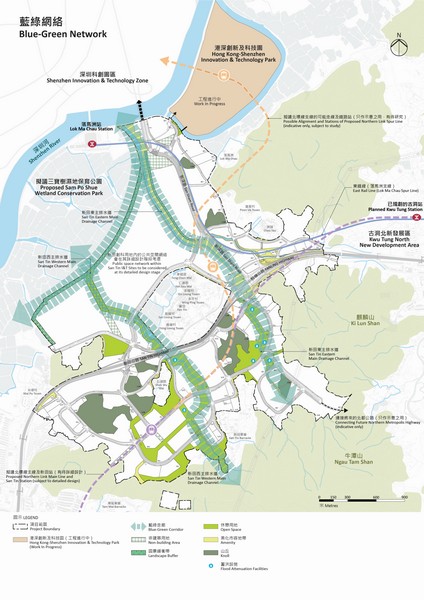
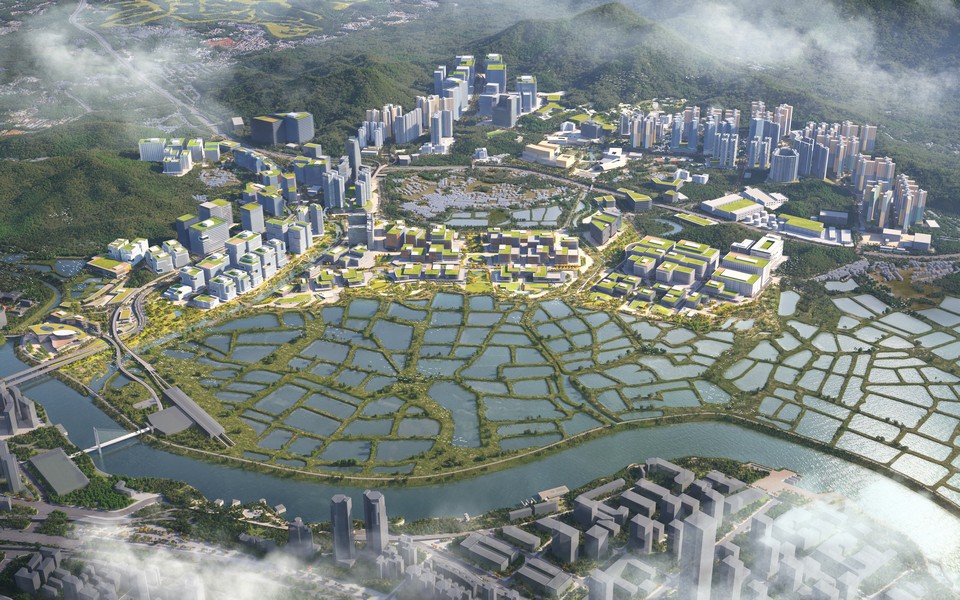
The San Tin Technopole highlights the challenge of enabling development and conservation to coexist. As a hub for I&T, it will contribute an estimated HK$250 billion annually to GDP and create over 300,000 jobs. Yet its footprint overlaps with traditional fishponds and wetlands. The solution, Fong insists, is mitigation through enhancement, filling some ponds while upgrading others and embedding blue-green networks as ecological corridors.
Infrastructure & Connectivity
No metropolis can thrive without the arteries that connect it. Mr Fong considers transport and infrastructure to be the backbone of integration, both within Hong Kong and across the boundary with Shenzhen.
“We are facilitating a better cross-boundary flow of people, capital, materials and data,” he explains.
The vision includes new railways and highways linking nine New Development Areas, while connecting seamlessly to Shenzhen. New legislation will streamline planning procedures, shorten rezoning approval time and facilitate personnel flows through mechanisms like a “white list”.
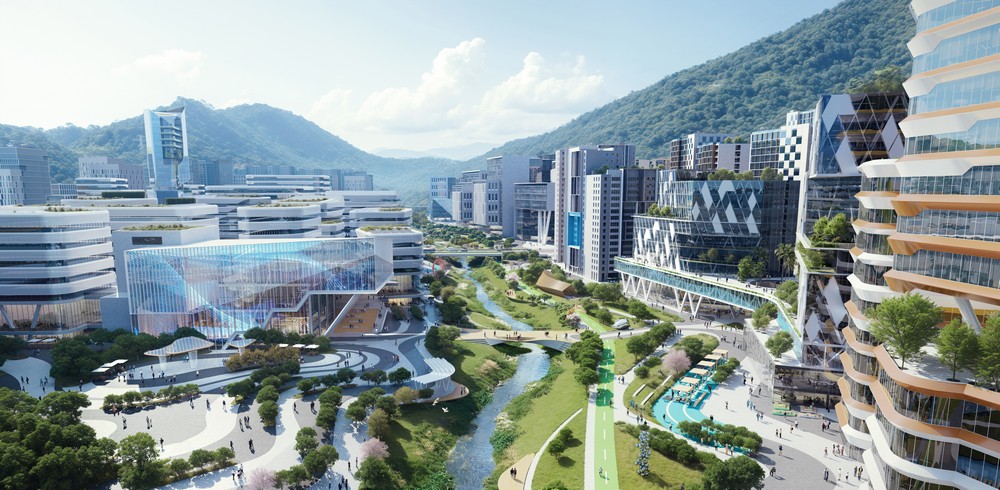
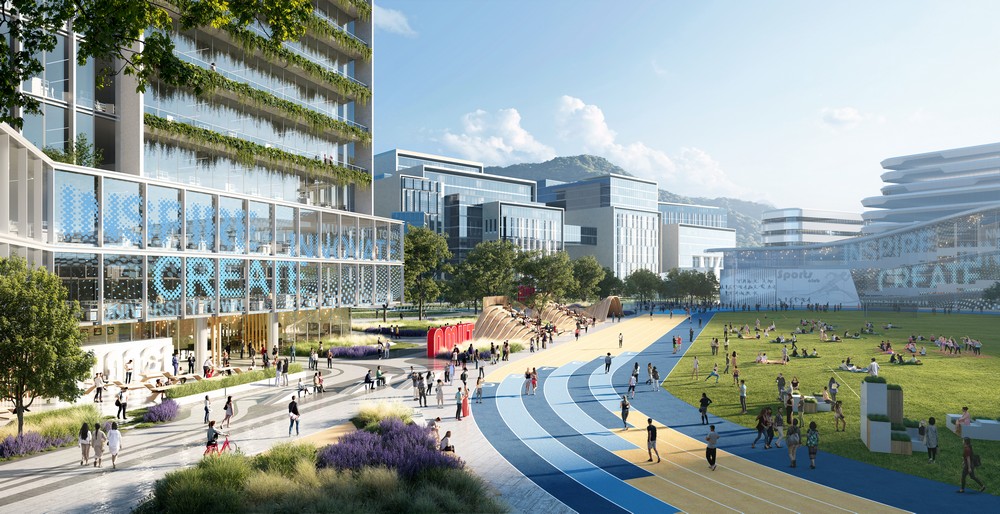
For residents, the impact will be tangible: new transport hubs, pedestrian and cycle networks, and smart green mobility facilities. Fong stresses that connectivity requires not just efficiency but inclusivity—weaving new infrastructure into existing communities in Fanling, Yuen Long and Tin Shui Wai.
Urban‑Rural Integration
The NM is also ensures villages and rural communities benefit directly from transformation.
“We must make sure residents in existing villages will be able tobenefit economically and socially,” Fong says.
The Government has launched the NM Urban-Rural Integration Fund, a HK$200 million pilot scheme to revitalise heritage buildings, create cultural walking trails and promote ecotourism ventures. Examples include cultural trails in San Tin Technopole and the revitalisation of the Lung Yeuk Tau Vegetable Collection Centre in Fanling.
Integration, Fong emphasises, is about respect as much as development:
“We are building new towns, but at the same time we must integrate seamlessly with existing rural areas. Our goal is urban-rural coexistence, not replacement.”
Green Finance & Global Standards
The rise of green finance is reshaping the funding model of projects with the HKNbSDG becoming a benchmark for credibility.
“Banks are very keen to finance projects that claim to be green,” Fong explains. “But they do not know how green these projects are—what is the benchmark? That’s why the Guidelines are so important.”
By aligning loans with compliance to the NbS framework, projects can effectively transform biodiversity and resilience into measurable assets. Developers who can demonstrate adherence are more likely to secure favourable financing terms. The Government is actively promoting the development of a certification scheme to ensure credibility and transparency.
For Fong, sustainability is not a cost but an investment:
“We are setting a global standard. This is the first of its kind in the world and it will help Hong Kong lead not only in infrastructure but in green finance.”
Towards Tomorrow
As Hong Kong embarks on the long journey of building the NM, Fong is clear that this is more than an infrastructure project. It is a redefinition of how the city lives with nature, attracts talent and integrates with the Greater Bay Area.
“We build to make Hong Kong a world-class sustainable and resilient city for living, working and playing,” he says.
From sponge city drainage systems to eco-tourism wetlands, from University Towns to green finance benchmarks, the project is designed to enhance resilience and drive long-term prosperity. Development and conservation, Fong insists, are not opposing forces but complementary pillars.
The Northern Metropolis stands as a testament to Hong Kong’s resolve to lead in innovation, resilience and ecological stewardship, while safeguarding its heritage and community roots.
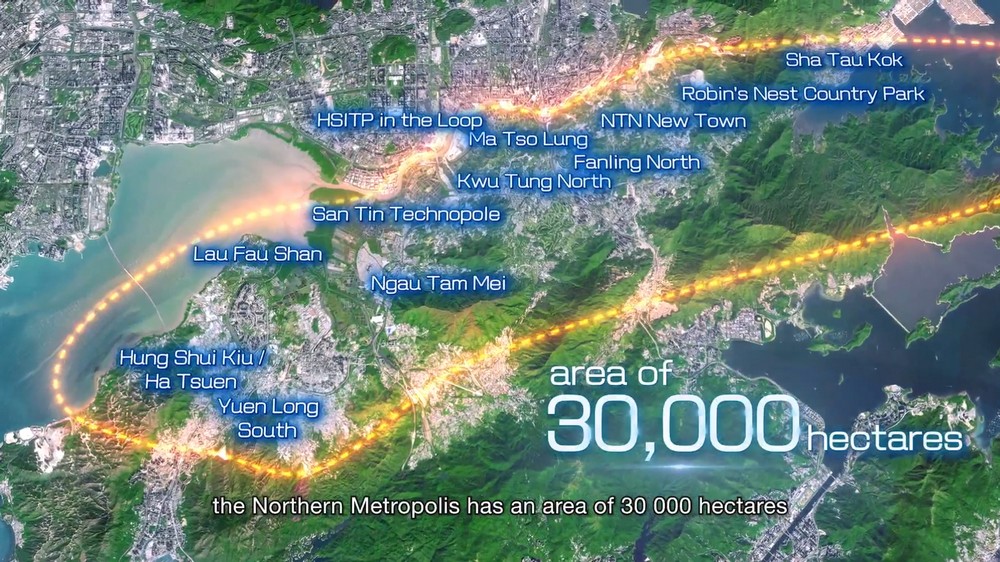
The Northern Metropolis is a major strategic regional development plan in Hong Kong, spanning Yuen Long District and North District, with a total area of about 30,000 hectares.
Core Development Goals Scope and Scale: Covering approximately 300 square kilometres, the NM is planned to accommodate around 2.5 million residents, providing about 900,000 housing units and 650,000 employment opportunities.
Four Key Functional Zones:
- High‑end professional services and logistics hub
- An I&T Zone (including the San Tin Technopole and the Lok Ma Chau Loop)
- A boundary commerce and industry zone
- A Blue and Green Recreational, Tourism and Conservation Circle