











Key Hightlights
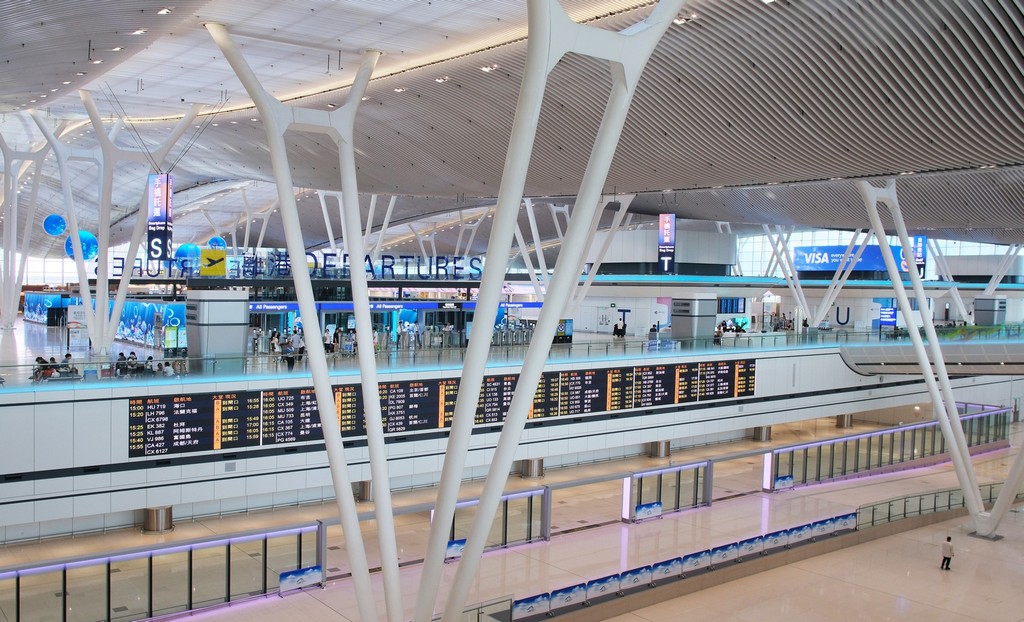
- Hong Kong International Airport Terminal 2 Expansion: Aedas served as the architect to shape the building, supporting the Three-Runway System and reinforcing HKIA’s position as a leading global aviation hub.
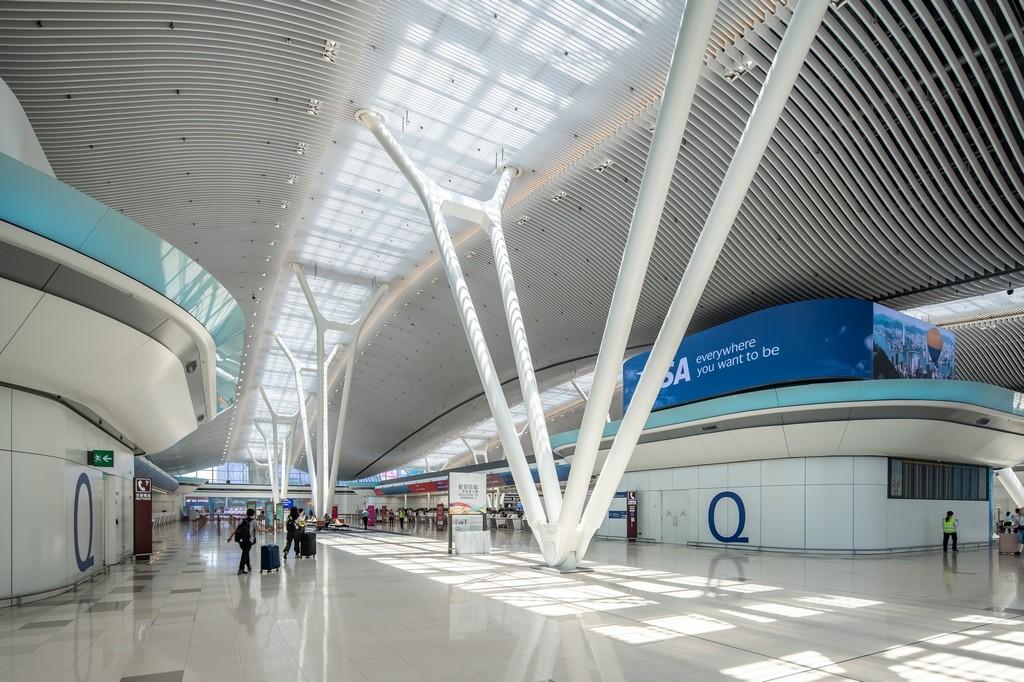
- Signature Feather Roof creates an iconic airport identity: integrating natural daylight, intuitive wayfinding and enhanced passenger comfort within a landmark terminal environment.
- Seamless passenger journey design: connecting check-in, security, immigration and the Automated People Mover (APM), delivering an efficient and intuitive travel experience.
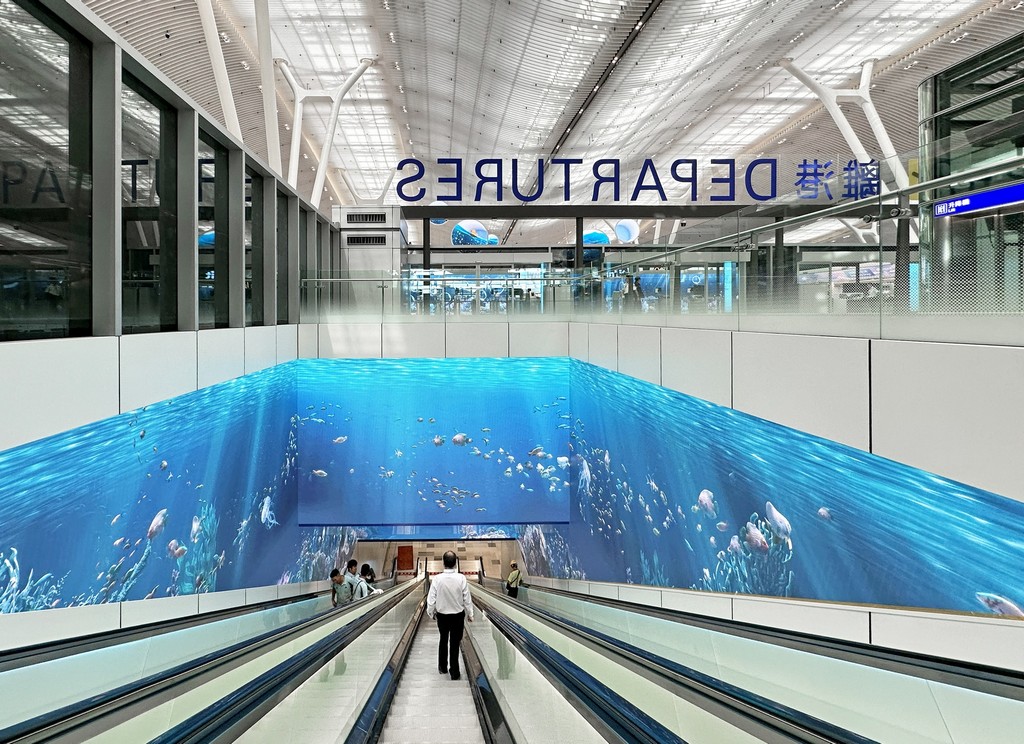
- Spectrum-inspired interiors celebrate Hong Kong’s skyline and urban energy: creating a memorable gateway that reflects the city’s global outlook and unique character.
- Future-ready sustainable airport architecture: incorporating passive environmental strategies, renewable energy generation and flexible operational planning, achieving a Provisional Platinum BEAM Plus rating.
Project Overview
The passenger departure facilities of Hong Kong International Airport’s Terminal 2 commenced operations on 27 May 2026, marking a significant milestone in the airport’s Three-Runway System development. Aedas served as the architect for this landmark project, shaping the design of this iconic building. Led by Aedas Executive Director Albert Tong, the expanded terminal enhances passenger capacity and delivers a seamless travel experience for air passengers.
Conceived as a new gateway to Hong Kong, T2 combines operational efficiency with a strong architectural identity, creating an intuitive and memorable passenger journey. The expansion elevates service quality and passenger experience at Hong Kong International Airport while integrating seamlessly with ongoing airport operations.
Design Concept & Approach
As a new gateway to Hong Kong, Terminal 2 transforms the complexity of a modern aviation hub into a clear, efficient and engaging passenger experience, reflecting the city’s ambition, connectivity and global outlook.
Iconic Feather-inspired Roof and Distinctive Interior Design
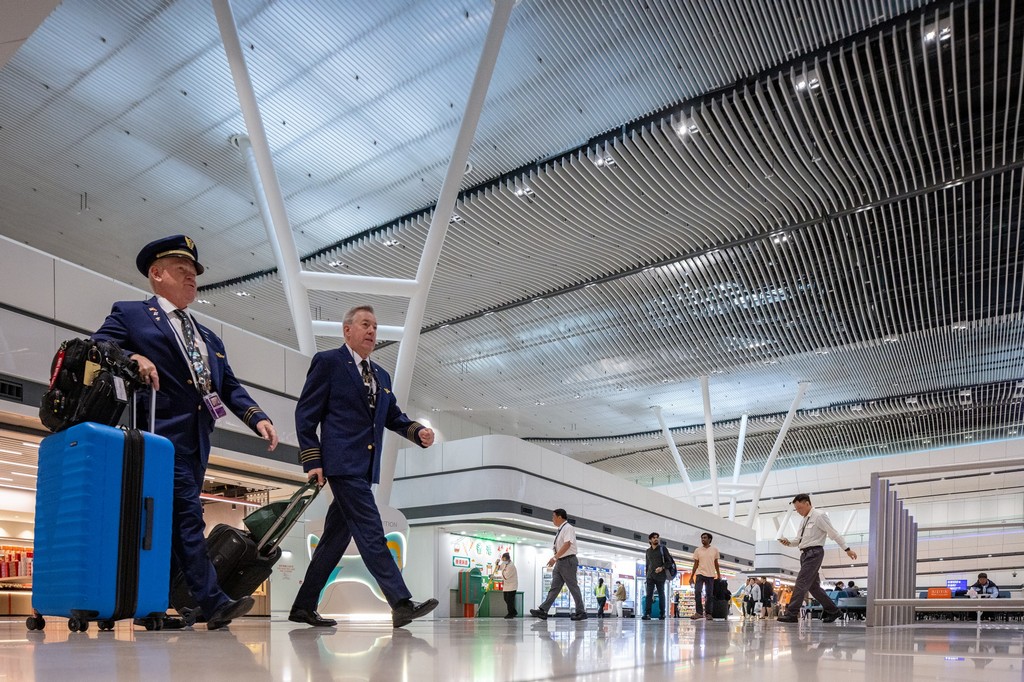
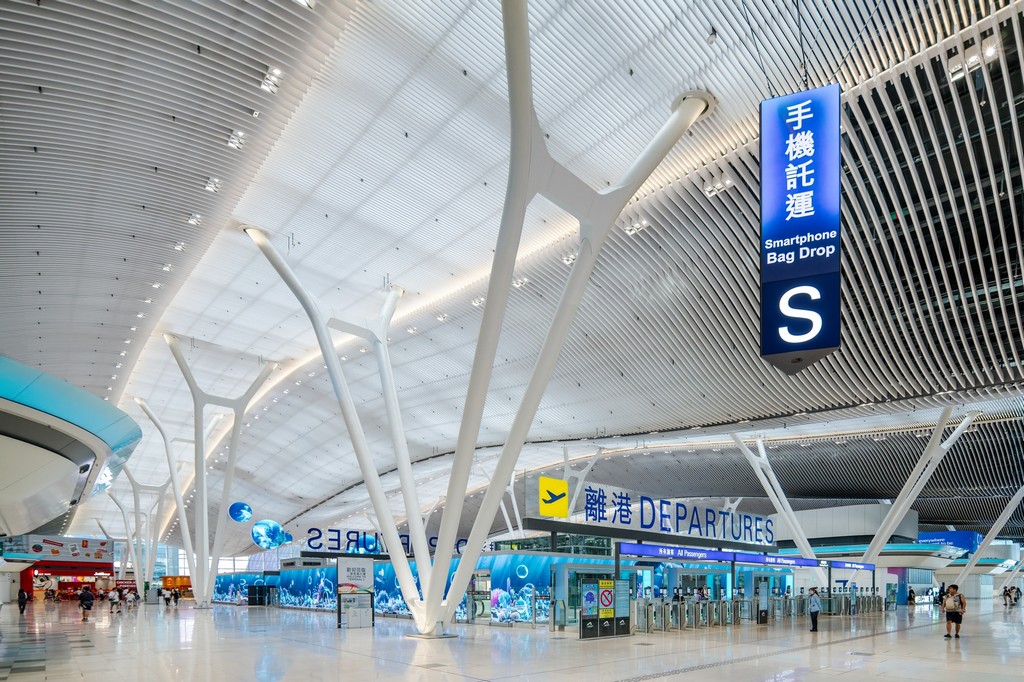
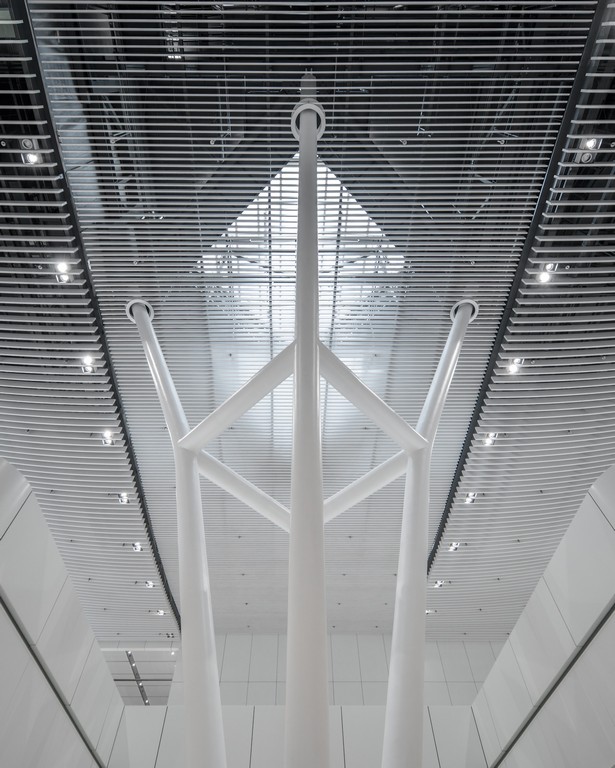
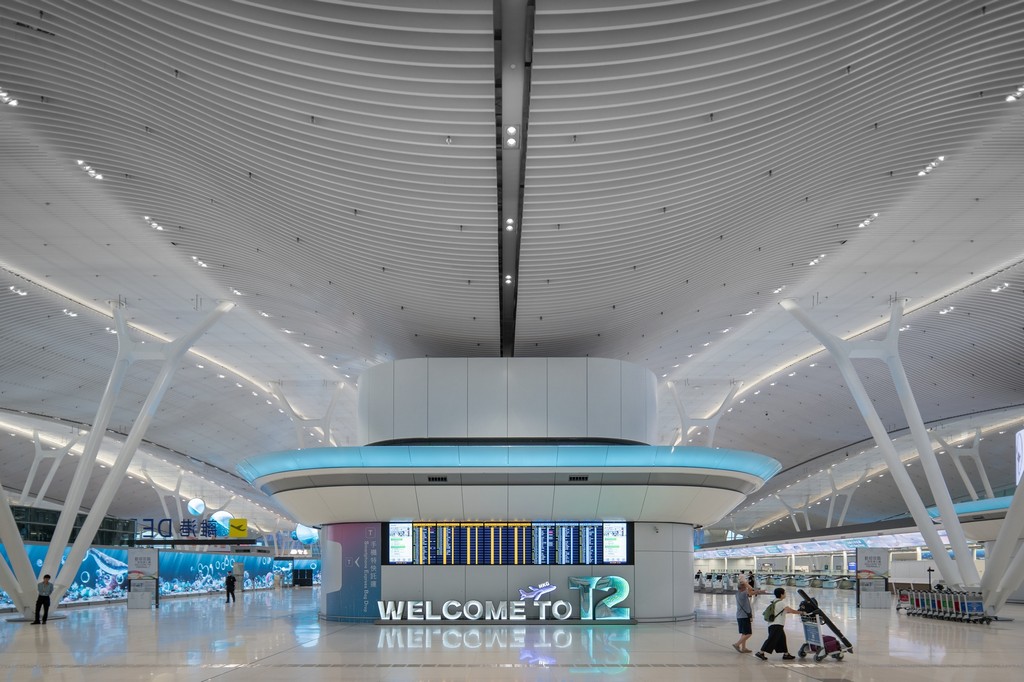
At the heart of the design is the terminal’s signature ‘Feather Roof’, composed of elegant east-west roof elements that establish a distinctive identity while enhancing functionality. The roof’s gentle rise and fall responds to the activities below, creating spatial hierarchy and intuitive wayfinding. Continuous skylights between the roof feathers bring natural daylight deep into the terminal, creating a bright and uplifting environment while reducing reliance on artificial lighting.
Supported by sculptural tree columns, the roof appears to float above the check-in hall, creating a sense of openness and clarity. Its generous overhang provides shade and shelter at the departures drop-off area, while the changing roof profile creates varied and engaging interior spaces.
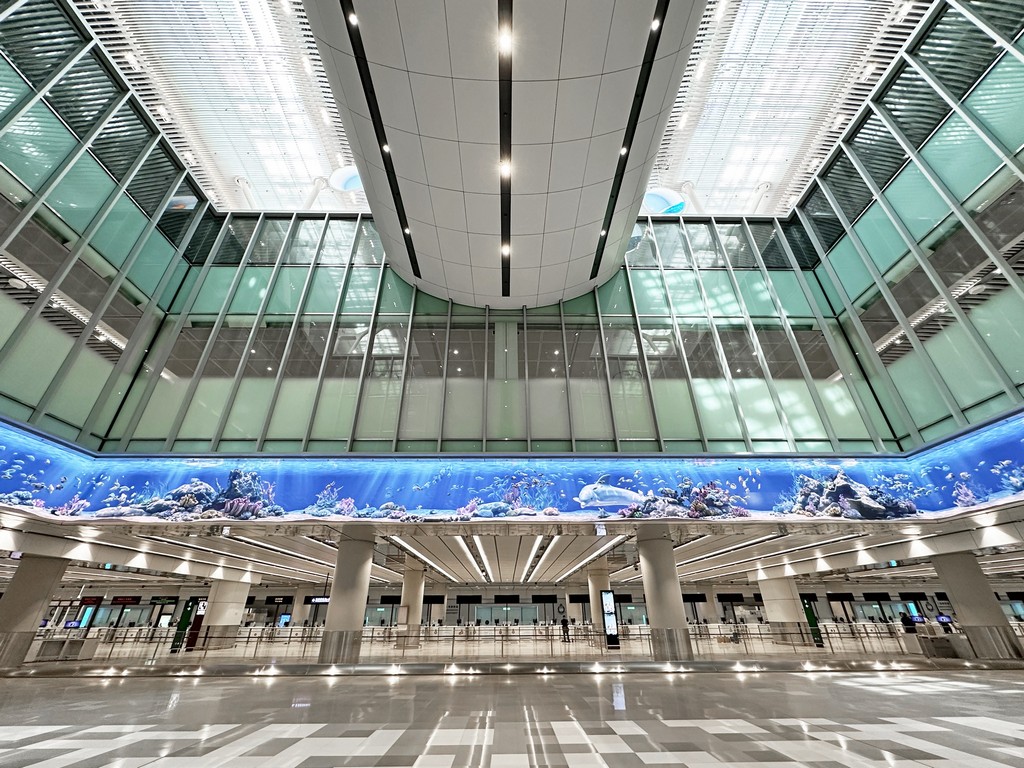
The interior architecture draws inspiration from Hong Kong’s vibrant skyline and urban energy through the ‘Spectrum’ concept, creating memorable moments throughout the passenger journey while celebrating the city’s unique identity.
An Intuitive Passenger Journey
A key design objective was to simplify the passenger journey. Through a carefully planned sequence of spaces, passengers are guided intuitively from check-in to security, immigration and the Automated People Mover (APM). Daylight, visual connectivity and architectural volumes reinforce passenger comfort, orientation and movement throughout the terminal experience.
Sustainability & Innovation
Sustainability and future readiness are embedded throughout the design. The project incorporates extensive daylighting, passive environmental strategies and renewable energy generation, contributing to its Provisional Platinum rating under BEAM Plus New Buildings. Flexible planning, advanced passenger processing technologies and universal accessibility principles ensure the terminal remains adaptable to future operational needs.
Aedas Executive Director Albert Tong says, ‘Responding to growing passenger demand while enhancing the overall travel experience, T2 is designed to support leisure travel and regional short-haul routes. Its completion marks an important step in the continued development of Hong Kong International Airport as a world-leading aviation hub.’