










[22 December 2025] The Central Kowloon Bypass (Yau Ma Tei Section), a major new transport corridor in Hong Kong that strengthens Kowloon’s east–west connectivity and enhances overall network efficiency, opened on 21 December 2025.


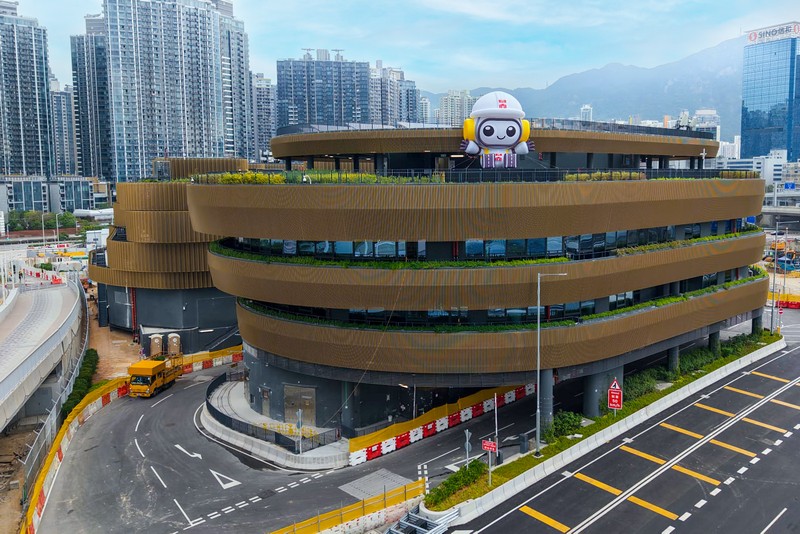
Traffic control and monitoring system within the administration building 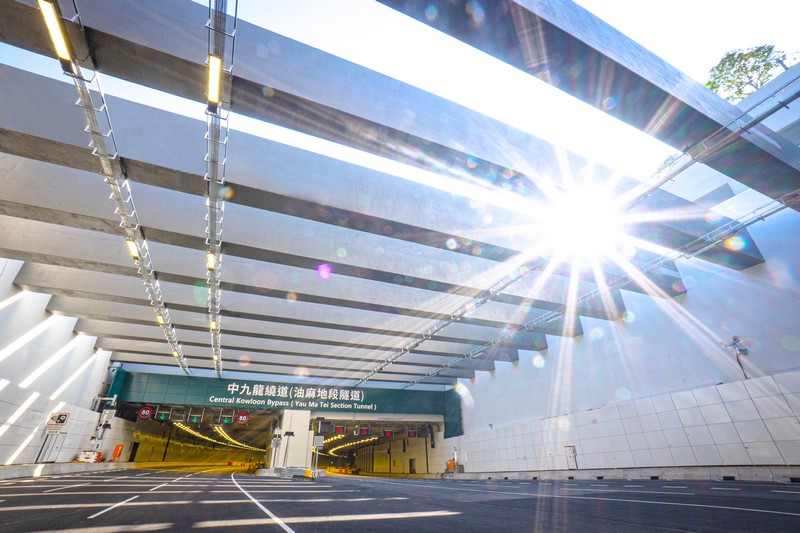
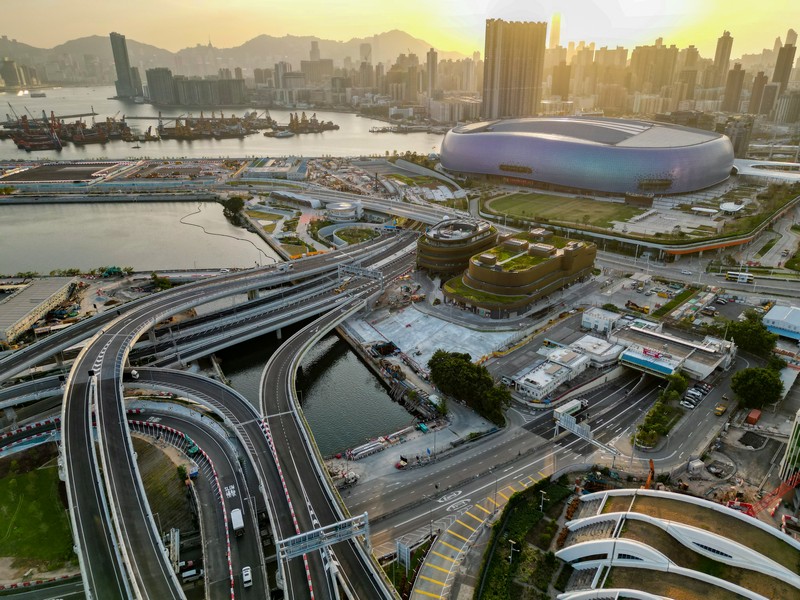
This dual three-lane bypass stretches 4.7 kilometres, connecting the Yau Ma Tei Interchange in West Kowloon with the Kai Tak Development Area and Kowloon Bay in East Kowloon. It includes a 3.9-kilometre tunnel running beneath some of the most densely built-up areas in the city with two complex interchanges at both ends.
By enabling traffic to bypass central Kowloon, the new route will significantly reduce congestion and improve journey reliability. Travel time between Yau Ma Tei and Kowloon Bay during peak hours can now take about 5 minutes instead of the usual 30 minutes.
The Arup and Mott MacDonald joint venture delivered comprehensive multidisciplinary services for the project from conception through to completion. Over the years, the team has successfully navigated complex engineering challenges, drawing on expertise in transportation, environmental protection, highways, tunnelling, bridge structures, mechanical, electrical and plumbing (MEP) and ventilation design.
Working within highly constrained conditions, including tunnelling beneath existing buildings while maintaining live traffic in one of Hong Kong’s busiest districts, the Arup and Mott MacDonald team adopted advanced digital tools and innovative engineering solutions to safely manage risks throughout construction.
A defining environmental feature of the project is the extensive landscaping and urban greenery introduced along the bypass, creating high-quality public spaces and new recreational opportunities for the community. The Yau Ma Tei Landscaped Deck, spanning approximately 32,000 square metres, provides a vital green connection between Yau Ma Tei and the landscaped deck of West Kowloon Station, encouraging active travel and enhancing walkability across the district.
Sustainability has been embedded at the heart of the project’s design and delivery. The Kai Tak Administration Building has achieved the Platinum Rating in the Final Assessment under the “BEAM Plus New Buildings Version 2.0” issued by the Hong Kong Green Building Council.

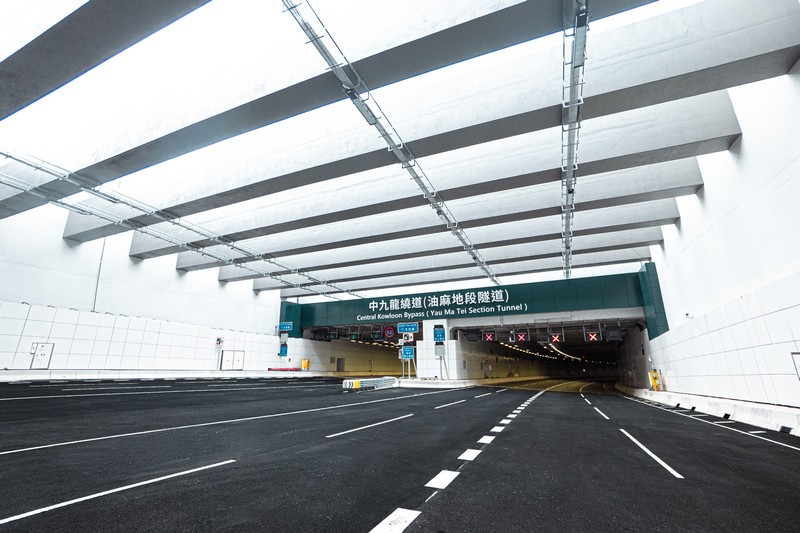
Kai Tak Tunnel entrance/exit on the Central Kowloon Bypass (Yau Ma Tei Section) 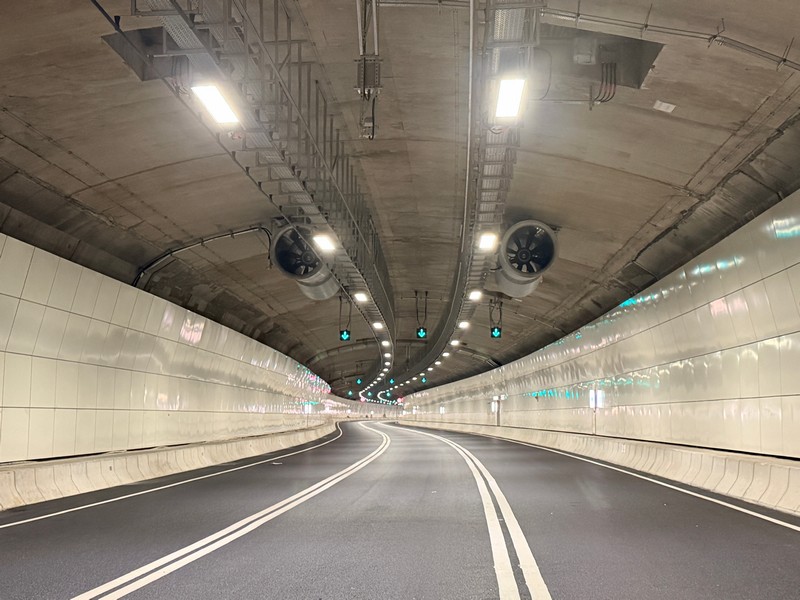
The Central Kowloon Bypass (Yau Ma Tei Section) also passes through areas of significant heritage and conservation value. Throughout planning and construction, the project team worked closely with stakeholders to safeguard the character and integrity of important local landmarks, including the former Yau Ma Tei Police Station, Temple Street Night Market, Tin Hau Temple at Yau Ma Tei and Kowloon City Ferry Pier, ensuring the district’s cultural identity is preserved alongside modern infrastructure development.
Theresa Yeung, East Asia Managing Principal at Arup said: “With the new Central Kowloon Bypass (Yau Ma Tei Section), we are not just opening a transport corridor, we are unlocking a new era of connectivity and vitality for Kowloon. By delivering this complex and innovative project, we are actively shaping a smarter, greener, and more efficient Hong Kong. This achievement reflects our commitment to pushing the boundaries of what’s possible to enhance the quality of life for our communities. It has been a privilege to work with the Highways Department and Mott MacDonald to turn this ambitious vision into a landmark project that will underpin Kowloon’s prosperity for decades.”
Hyvan Wong, Mott MacDonald managing director for China and Hong Kong said: “The commissioning of the Yau Ma Tei Section is an important step toward more reliable east–west journeys across Kowloon. Working alongside Arup and the Highways Department, we’re proud to have supported the delivery of engineering solutions for this complex urban environment. Beyond improving traffic flow, this project brings lasting benefits to Hong Kong, enhancing connectivity, supporting economic growth, and creating greener, safer public spaces for everyone.”