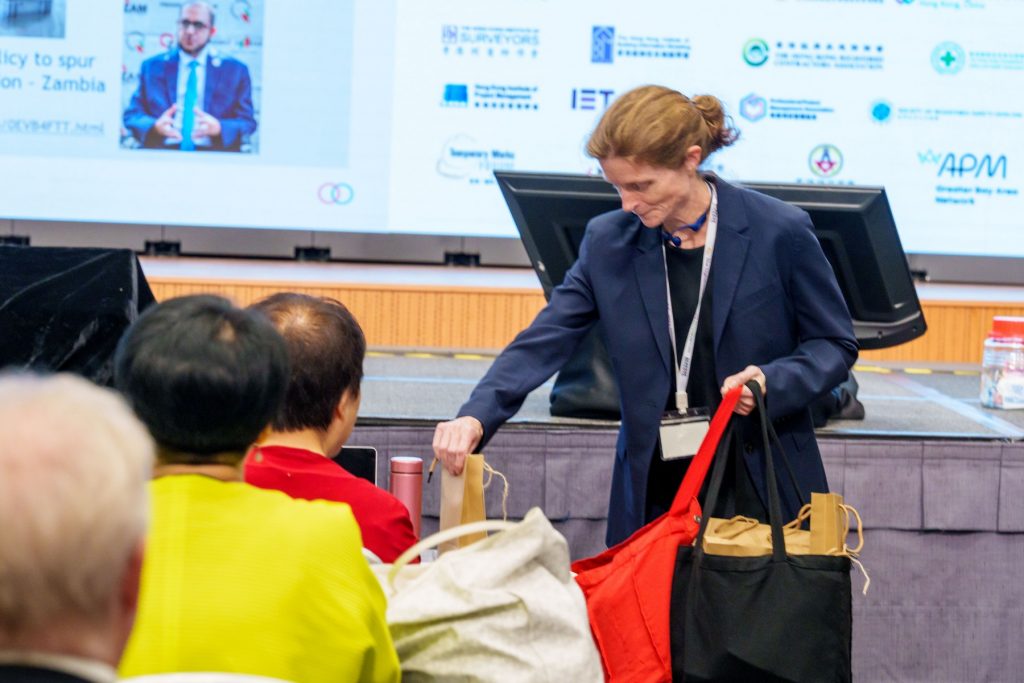













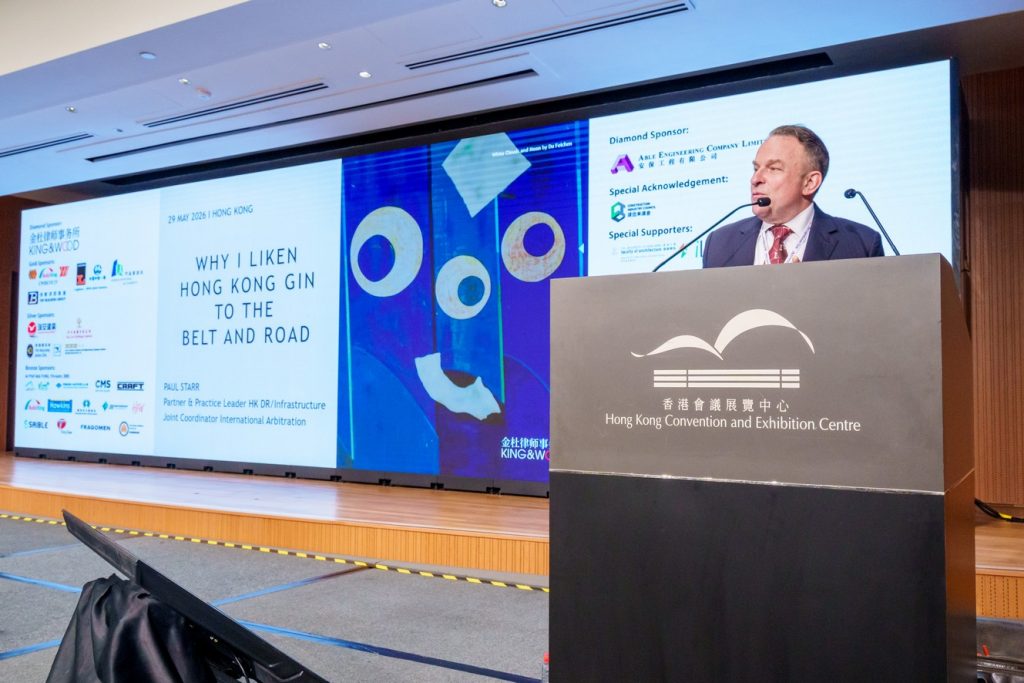
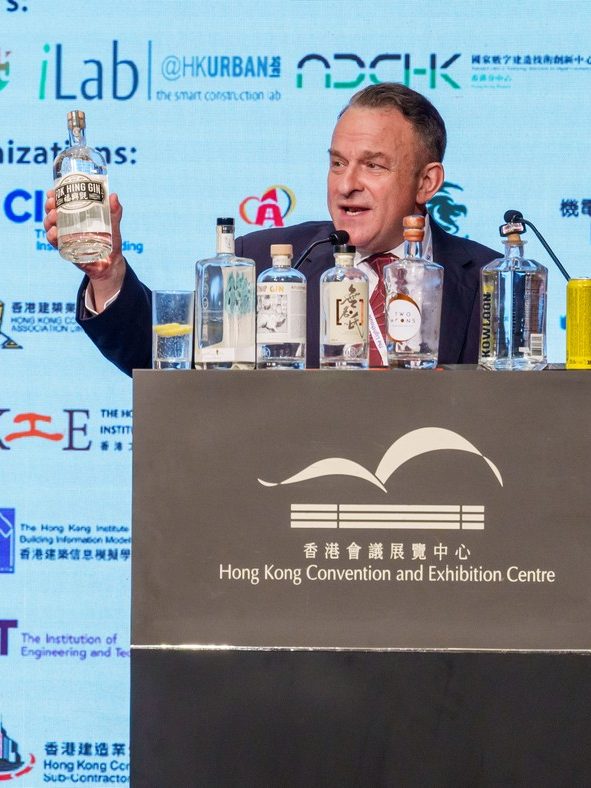
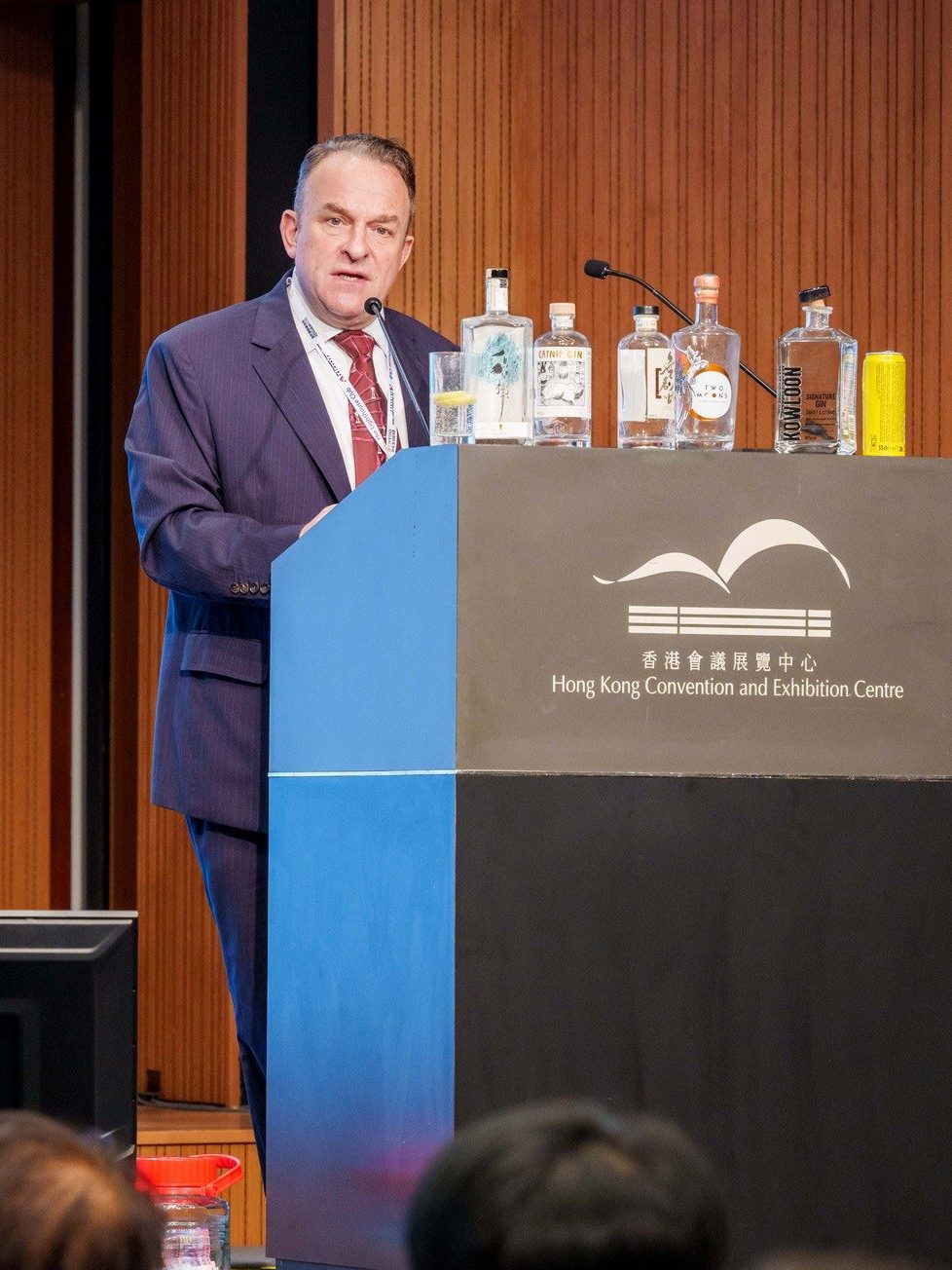
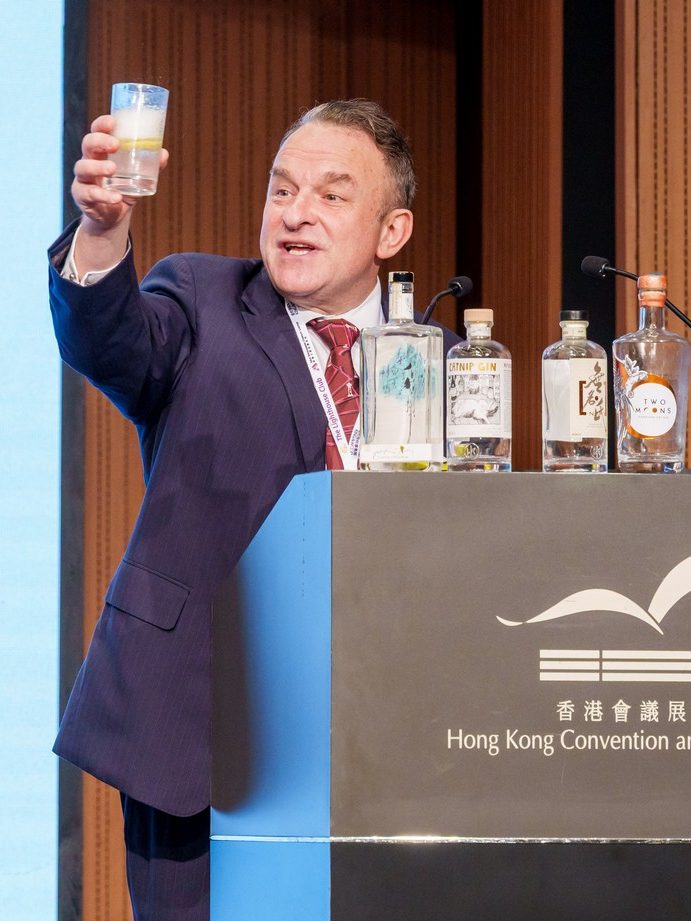
When Paul Starr took the stage at the Lighthouse Club’s 40th Anniversary conference, few expected gin bottles to appear alongside slides on construction safety and arbitration. Yet his metaphor — likening Hong Kong gin to the Belt and Road — distilled a powerful truth: just as many overlook the city’s homegrown spirits, so too do global businesses underestimate Hong Kong’s unique arbitration advantages.
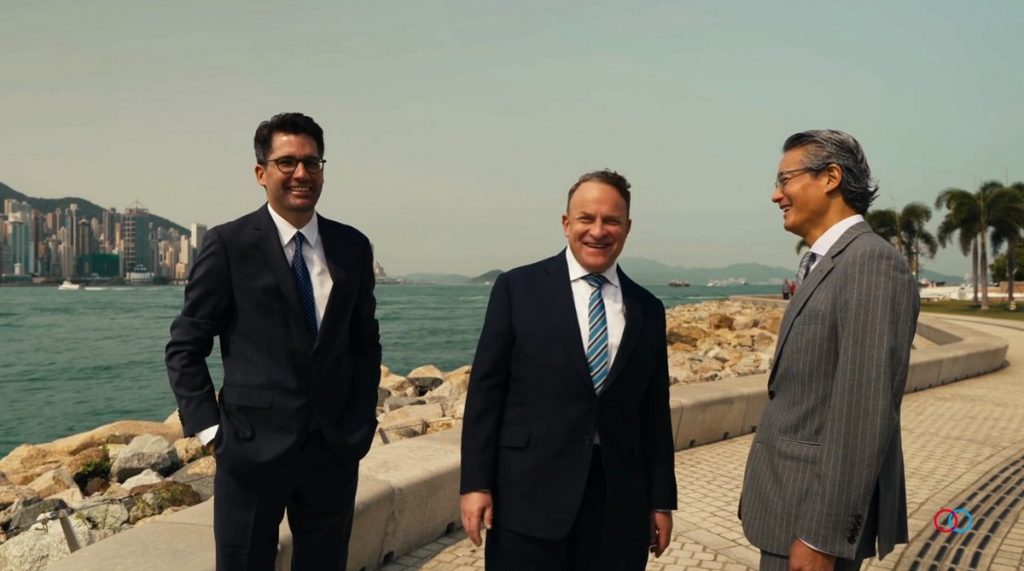
This blend of wit and authority set the tone for a keynote that captured the essence of the conference theme: advancing safety, sustainability, innovation and excellence for world cities. Starr, Partner and Practice Leader for HK Dispute Resolution/Infrastructure at King & Wood and Joint Coordinator of the International Arbitration Team, has long been regarded as Hong Kong’s pre‑eminent construction lawyer. His message was clear: in the complex world of Belt and Road projects, Hong Kong arbitration is not just an option — it is a necessity.
The Belt and Road Scale
Since its launch in 2013, the Belt and Road Initiative (BRI) has engaged 150 countries, with investments surpassing US$1.4 trillion. In 2025 alone, deals worth US$213.5 billion were signed — the highest annual value to date. From copper for data centres to hydrogen projects, the initiative spans infrastructure, technology and manufacturing at unprecedented scale.
Africa and the Middle East have emerged as focal points, with Nigeria, the Republic of Congo, Saudi Arabia and Iraq seeing billions in engagement. For construction professionals, this represents both opportunity and risk: vast projects, diverse jurisdictions and inevitable disputes. Arbitration is the mechanism that keeps these ambitions on track.
The Unique Advantage of Hong Kong Arbitration
Starr’s central argument is deceptively simple: Hong Kong is the only jurisdiction outside mainland China where parties can apply directly to mainland courts for interim measures in aid of arbitration.
This means that when disputes arise in Belt and Road projects involving mainland assets, Hong Kong arbitration offers a unique tool: freezing orders, conduct preservation and evidence preservation. Since the arrangement came into force in October 2019, 178 applications have been processed, with 126 orders granted. The total value of assets preserved stands at US$4.6 billion.
For Starr, the numbers speak volumes. “Completely transformative,” he says. “If you want to know how transformative it is, you only need look at the statistics. Almost 20% of applicants have been mainland parties — something that rarely happened a decade ago.”
The mechanism is straightforward: commence a qualifying arbitration in Hong Kong, obtain a letter of acceptance from an eligible institution, submit to the relevant mainland court, provide security and within an average of 28 days, preservation orders are granted. For international banks and contractors, this is a game‑changer.
Gin, Papua New Guinea and Lessons Learned
Starr’s storytelling is as memorable as his legal analysis. He recalls visiting Papua New Guinea before COVID, tasked with persuading the government to ratify the New York Convention. Initially met with hostility — mistaken for Australian, he quickly won favour by professing admiration for Manchester United.
The anecdote underscores a serious point: PNG’s philosophy of “let them arbitrate here” while contracting with mainland parties deprived its industry of Hong Kong’s unique preservation rights. “They really did score a home goal,” Starr notes, “as drafting a qualifying HK arbitration clause would have allowed their industry to petition mainland courts for asset and conduct protection right at the start of any arbitration.”
The lesson is clear: choosing the wrong arbitration venue can undermine entire projects. For Belt and Road host countries, Hong Kong offers resilience, enforceability and access to mainland assets that no other jurisdiction can match.
Safety, Sustainability and Innovation
The Lighthouse Club’s anniversary theme resonates deeply with Starr’s vision. Arbitration is not just about resolving disputes; it is about embedding safety, sustainability and innovation into the fabric of construction contracts.
Hong Kong’s arbitration framework is evolving to address ESG obligations, digital governance and AI‑driven risk management. Starr sees AI as the most transformative tool: “Be a master of AI,” he advises young professionals. “It will give all parties just that bit more breathing space to mitigate risks, not least at tender time, that otherwise cause multimillion‑dollar arbitrations.”
Innovation is also institutional. Hong Kong now hosts branches of major arbitration commissions, a new International Organization for Mediation and plans for its own International Commercial Court. Combined with common law traditions, a respected Court of Final Appeal and mediation hubs, Hong Kong’s offering surpasses rivals.
Hong Kong’s Resurgence
The past decade has not been easy. Protests, COVID and global skepticism challenged Hong Kong’s reputation. Yet Starr is emphatic: “Hong Kong is well and truly back.”
The statistics prove it. Each year, Hong Kong breaks records in arbitration value and diversity of participants. The city’s resilience, adaptability and unique legal mechanisms position it as a global hub for dispute resolution in construction and infrastructure.
For the Lighthouse Club, celebrating 40 years of advancing construction safety and excellence, this resurgence is symbolic. Arbitration is part of the industry’s legacy — and its future.
Starr’s counsel to young professionals is pragmatic and inspiring. Master AI, understand risk allocation at tender stage and embrace innovation. Arbitration will increasingly sit alongside statutory adjudication, adapting to new disputes and technologies.
For lawyers, engineers and contractors alike, the message is one of preparedness: disputes are inevitable, but with the right tools — Hong Kong arbitration chief among them — they can be managed to protect assets, reputations and lives.

Closing Reflection: One More Gin
As Starr concluded his keynote, he returned to the metaphor that had captivated the audience. With a final sip of Hong Kong gin, he reminded listeners that arbitration’s hidden strengths, like the city’s spirits, deserve to be savoured.
For the Lighthouse Club, the metaphor was more than a flourish. It was a call to recognize Hong Kong’s resilience, celebrate its overlooked advantages and embrace its role in shaping safe, sustainable and innovative world cities. Arbitration, distilled through Starr’s wit and wisdom, emerged as both a legacy and a future cornerstone for the industry.