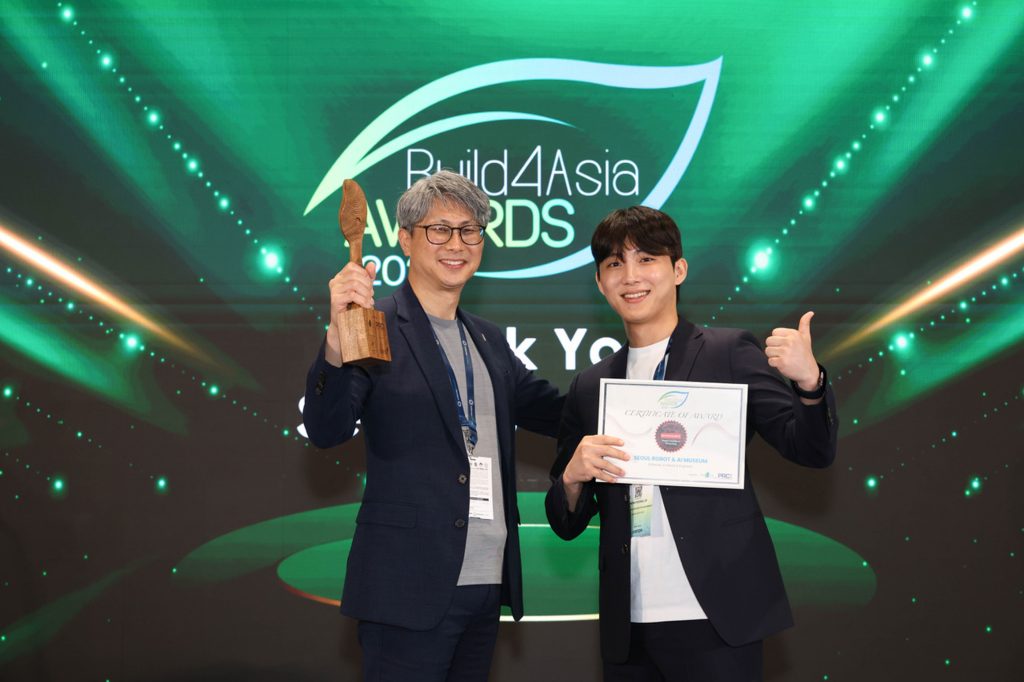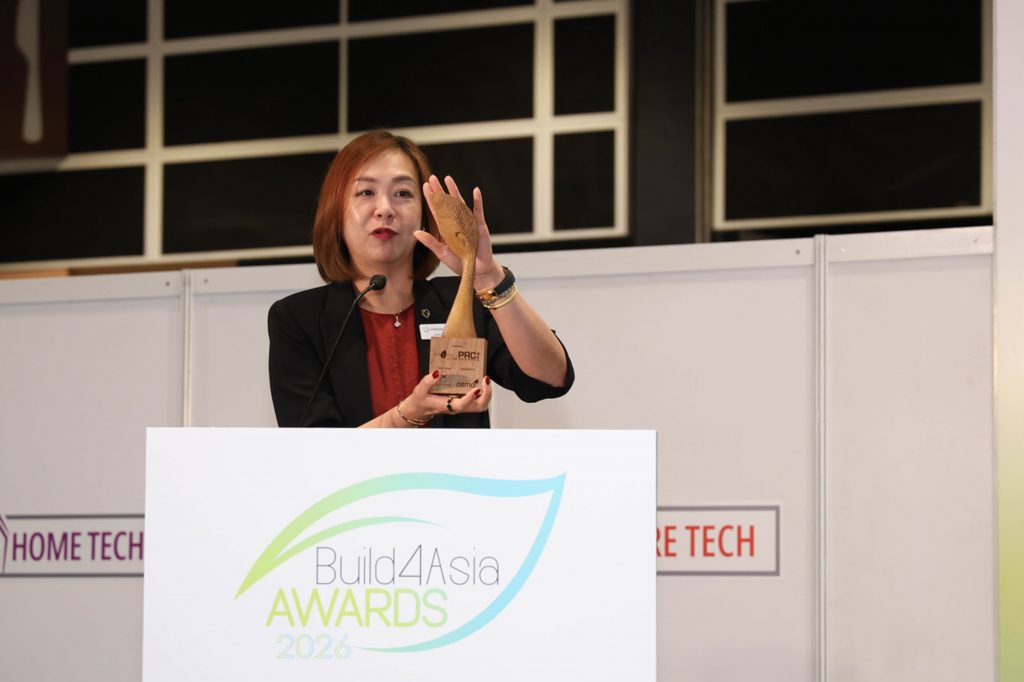














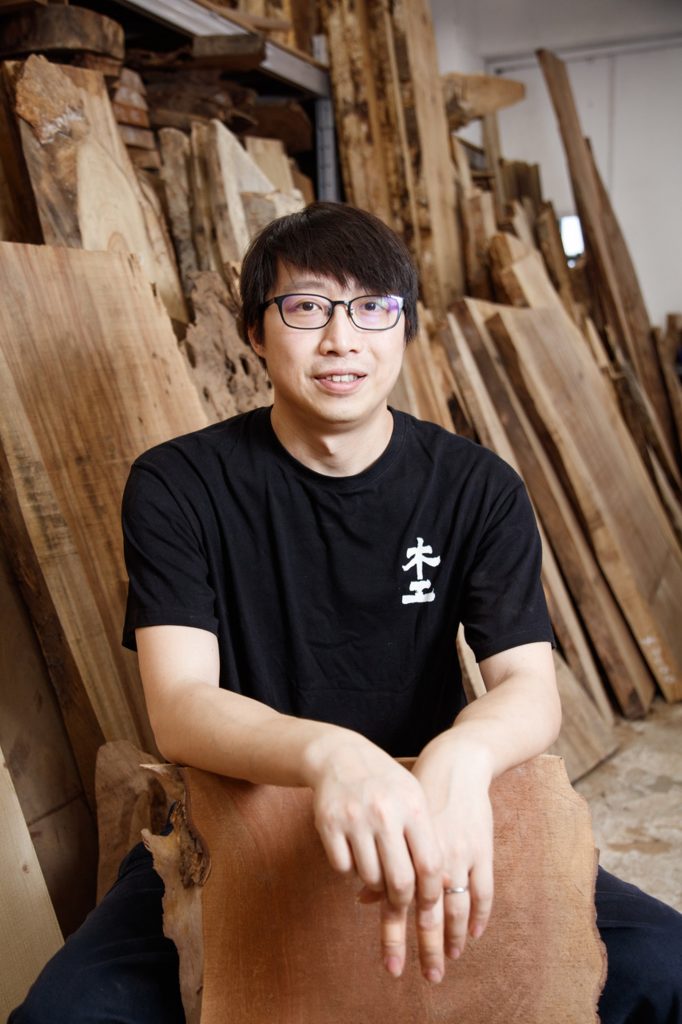
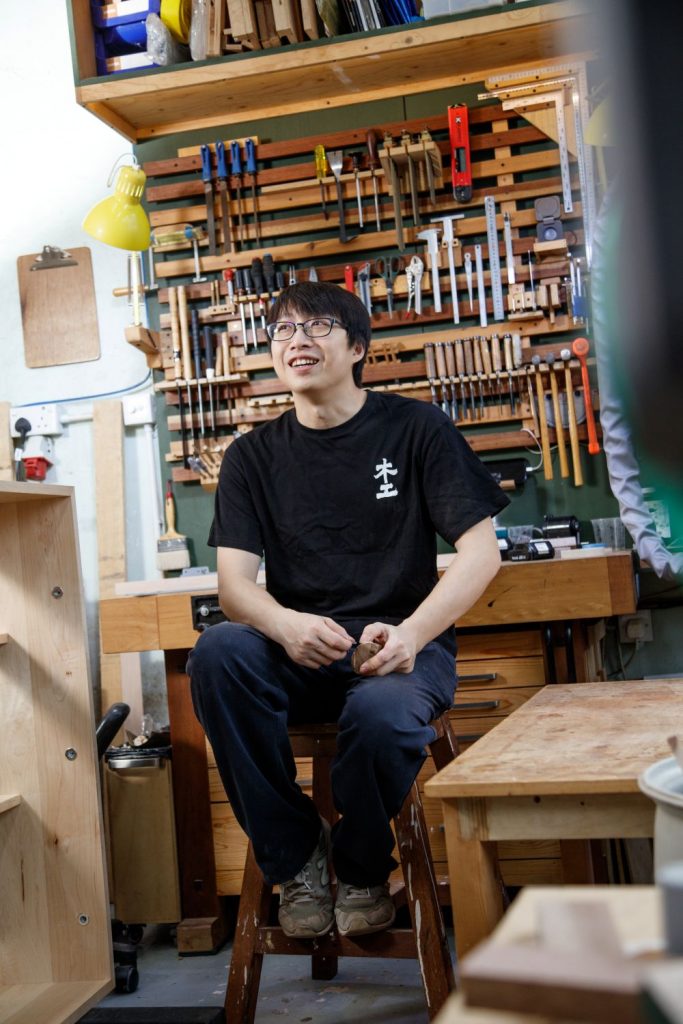
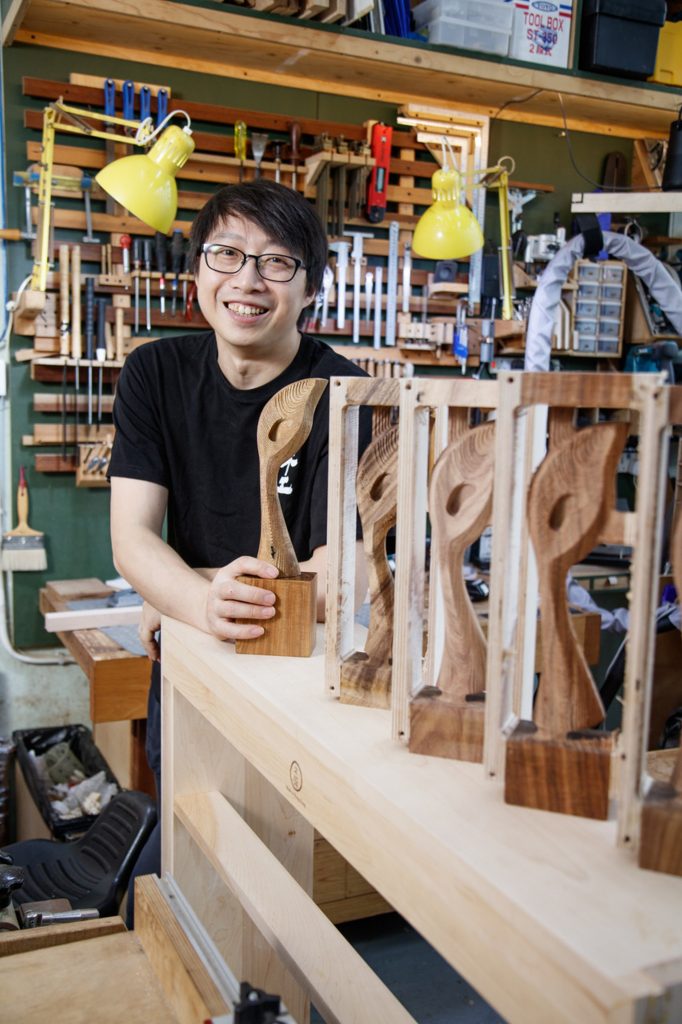
The Build4Asia Awards 2026 trophies embody shared aspirations for a greener future — and the story behind them begins with one man’s love of machines and wood. PRC Magazine speaks with Roy Ng, artisan and founder of Studio 818, about his journey from art installations to pioneering timber recycling in Hong Kong.
A Trophy of Shared Aspirations
Honouring sustainability, craftsmanship and design excellence
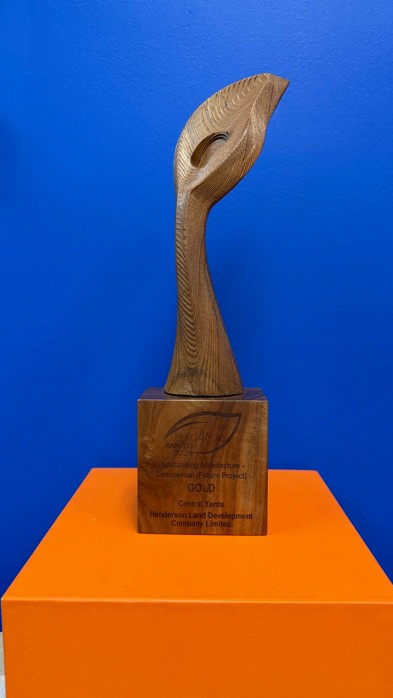
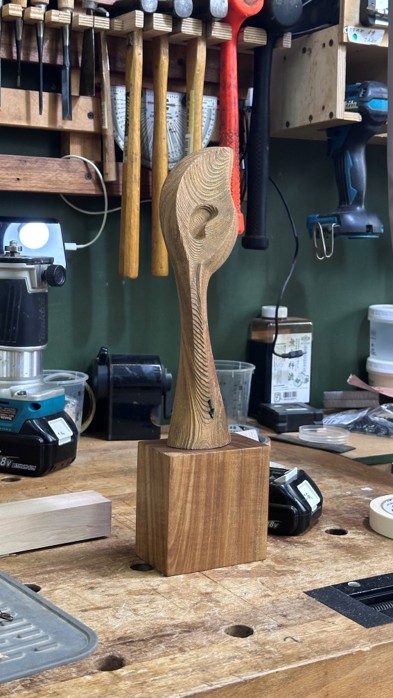
When the Build4Asia Awards 2026 trophies were presented this May, each piece carried more than the weight of recognition. Designed by Hong Kong artisan Roy Ng of Studio 818 and crafted from recycled Acacia wood donated by the Highways Department of the HKSAR Government, they symbolise a philosophy: that sustainability, craft and design excellence can be inseparable.
For PRC Magazine, the story of these trophies is also the story of their maker — a man whose journey through art, machinery and timber recycling has reshaped how Hong Kong thinks about wood.
Machines and Beginnings
Ng’s fascination with woodworking began not in a traditional carpentry shop but in the margins of Hong Kong’s education system. “At school, Design & Technology had been cut,” he recalls. “We weren’t allowed to use many machines, which only made me more curious.”
In his final year, he and classmates rented a space to build their projects, inspired by YouTube videos of foreign makers transforming basements and garages into workshops. After graduation, Ng assisted an international artist preparing a major installation. It was here he first learned to construct with timber, discovering the possibilities of wood as both material and metaphor. Yet his early years were not a straight path into carpentry. He continued to exhibit art, often improvising with plywood — the only affordable option. “Solid wood was for the wealthy,” he says. “But I loved the machines. Each new tool opened another door.”
“For interior designers, architects and the wider design community, Studio 818 offers a compelling example of how creativity and responsibility can coexist in craft.”
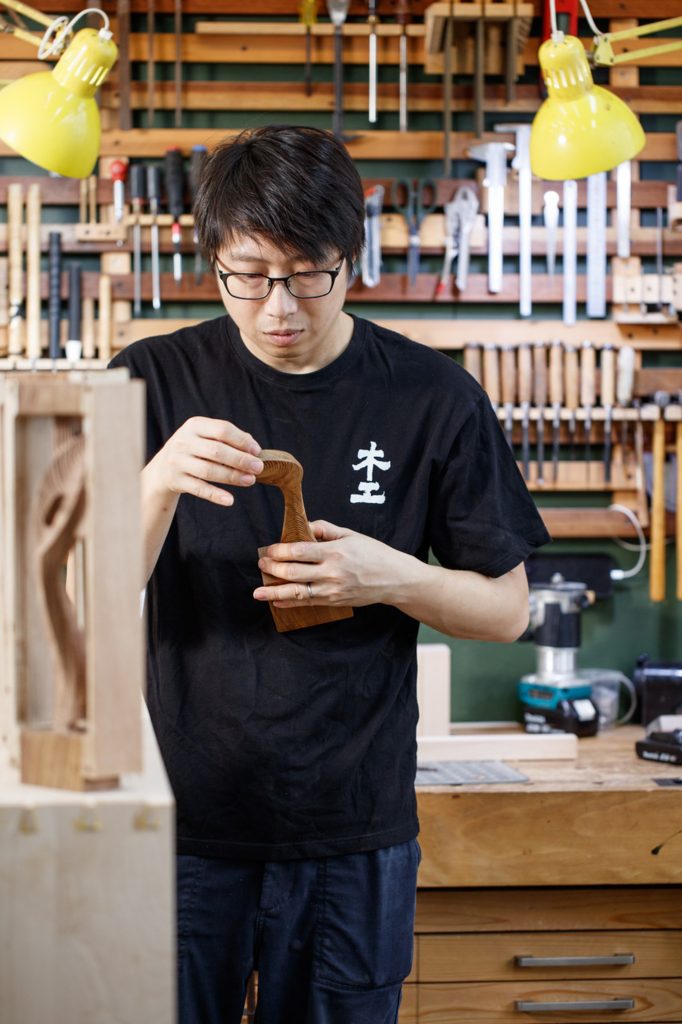
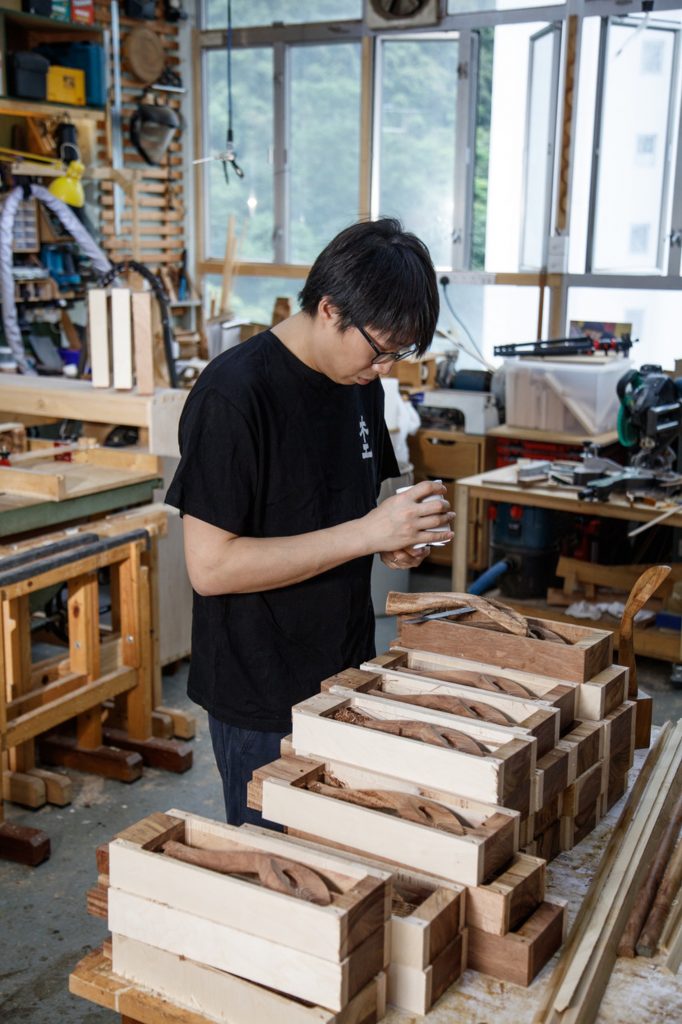
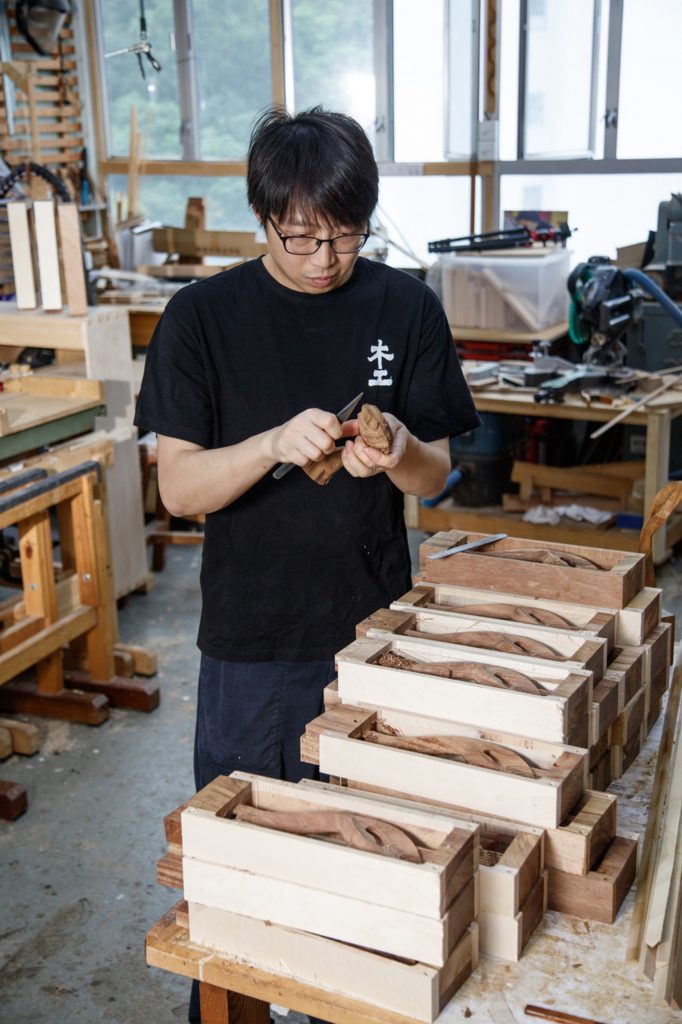
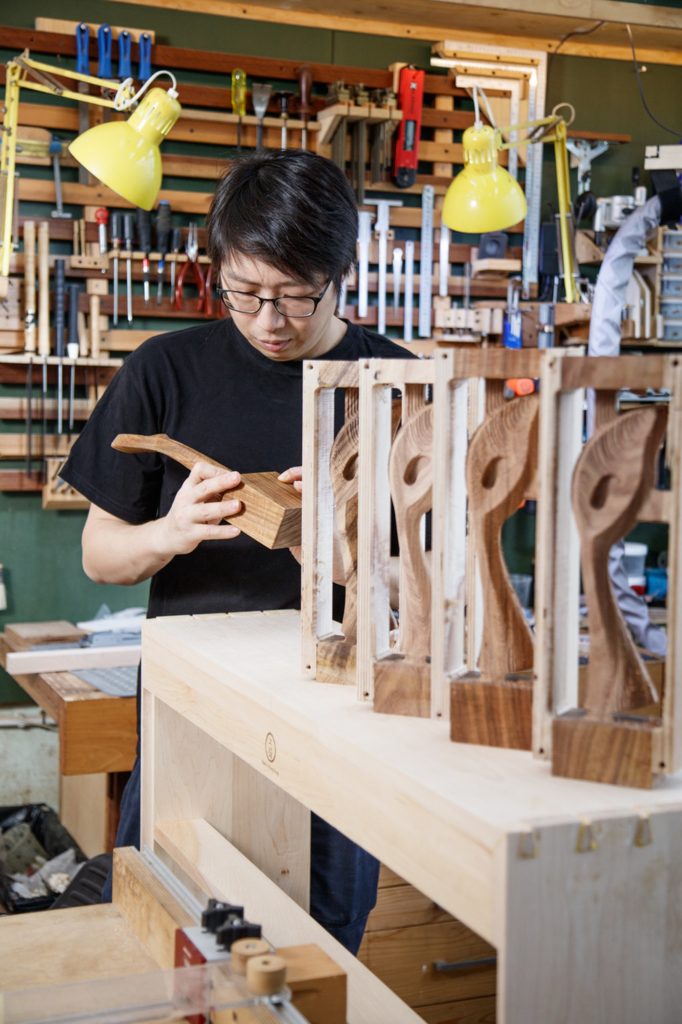
The Turn to Recycling
The decisive moment came when Ng collaborated with artist Wong Tin Yan, known for sculptures made from dismantled pallets. Working with Wong highlighted the waste inherent in Hong Kong’s art scene: installations built for a week long show, then discarded. “It felt wrong,” Ng explains. “Art isn’t about permanence, but throwing away so much material was wasteful.”
Opportunity arrived when the Environmental Protection Department dismantled the old Star Ferry Pier. Timber piles retrieved from the harbour needed a second life. Searching online for “wood recycling,” officials found Wong — and through him, Ng. What began as a commission for a few benches became an entire café interior built from reclaimed pier timber.
This project revealed both the promise and the challenge of recycled wood. Hong Kong’s timber factories resisted processing reclaimed logs, fearing damage to their saws. Ng realised he needed greater control over the entire chain — from raw material to finished product. “I don’t like things being out of control,” he says. “So I thought, why not handle the upstream myself?”
The aftermath of Typhoon Mangkhut in 2018 underscored the urgency. Thousands of fallen trees overwhelmed the city’s capacity to respond. At Kai Tak, timber lay in heaps, unrecorded and unclassified. Ng remembers calling officials: “They said, just drive over and take what you want.”
Sorting became the greatest challenge. Construction sites delivered mixed piles — trunks, branches, roots, leaves. Ng had to separate impurities, identify valuable hardwoods and cut them into usable boards. “Knowledge wasn’t the problem,” he notes. “It was the sheer volume.”
From this chaos, Ng built a company that now manages the full production line: collection, processing, design and fabrication. Yet the labour of sorting consumes so much time that research and development remain limited. “Most of my work comes from architects and designers,” he says. “They bring ideas and I make them feasible with reclaimed timber.”
“Resin doesn’t decompose. If you pour a big strip between planks, don’t call it eco friendly.”
For Ng, meaning lies not in authorship of design but in the timber itself. “If the wood already has a story and we can use it again, that fulfils my concept,” he explains. His baseline is simple: minimise waste. Offcuts and sawdust are repurposed — mushroom farmers cultivate fungi, cattle sleep on timber bedding, ceramicists fire kilns with branches. “I try to ensure nothing goes back to the landfill,” he says.
This philosophy extends to aesthetics. Ng resists the trend of pouring resin into wood. “Resin doesn’t decompose. If you patch a hole so the wood can still be used, fine. But if you pour a big strip of resin between planks, don’t call it eco friendly.” For him, authenticity matters more than surface gloss.
The Trophy as Testament
Against this backdrop, the Build4Asia Awards 2026 trophies take on deeper resonance. Each piece integrates the Awards logo with a leaf motif, representing growth, opportunity and the promise of a better tomorrow. Finished with natural oils and waxes supplied by Osmo Holz und Color GmbH & Co. KG, the trophies embody the union of sustainability and craft.
For PRC Magazine, they also embody our mission. Since our earliest issues, we have sought to spark dialogue around sustainability. Partnering with Informa Markets in Asia to launch the Build4Asia Awards in 2020 gave us a platform to place green design at the forefront. At its pinnacle, the Jury Prize for Excellence in Sustainability honours projects that embody innovation and responsibility across the built environment.
By entrusting Studio 818 with the trophies, we celebrate not only the winners but also the process — the salvaging of timber, the care of craft and the shared aspiration to leave behind a greener world.
“If the wood already has a story and we can use it again, that fulfils my concept.”
Looking Forward
Studio 818 today is more than a workshop. Ng collaborates with leading designers, creating bespoke furniture and installations from salvaged Hong Kong timber. His work with LAAB Architects on the Environmental Protection Department (EPD) of the HKSAR Government’s Y·Park initiative (Yard Waste Recycling Centre) exemplifies how reclaimed wood can enrich corporate and civic spaces alike. Then EPD says that Hong Kong generates about 180 tons of yard waste daily—from routine vegetation maintenance and construction clearances—but the most striking surge comes from tree removal after super typhoons, when vast amounts of woody, combustible material enter the waste stream.
For interior designers, architects and the wider design community, Ng’s journey offers inspiration. It demonstrates that sustainability need not compromise beauty and that craft rooted in authenticity can resonate across disciplines.
As Ng reflects:
“ This world already has what it needs. Wood can return to the cycle harmlessly. Our job is to respect that cycle and to make something meaningful along the way.”