














Asia Pacific faces significant cost pressures, with 3.8-4.7% tender price inflation forecast for 2027 as geopolitical conflict disrupts supply chains and land constraints intensify urban cost premiums
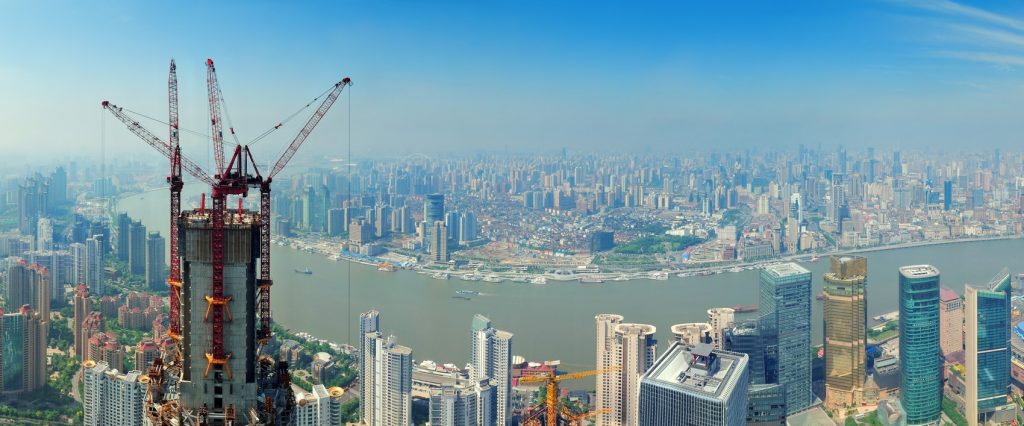
Construction costs across Asia Pacific are rising at a pace comparable to North America and faster than in Europe, reshaping real estate capital planning, development feasibility and asset viability. According to JLL’s Global Construction Costs Index 2026 report, Asia Pacific continues to experience elevated construction cost inflation, with cost growth forecast at 3.8%-4.7% in 2027, compared with 3.2%-4.2% in North America and 2.2%-3.5% in Europe.
In Hong Kong, the impact is particularly pronounced. While industrial and logistics assets are typically among the most cost-efficient construction typologies globally, with costs averaging USD 1,010-USD 1,560 per sqm, construction costs for these facilities in Hong Kong now approach or exceed USD 2,500 per sqm, more than 60% above the regional average. This is primarily driven by land scarcity, complex site conditions, vertical construction requirements and stringent regulatory frameworks, pushing development costs to levels that global benchmarks often fail to capture.
Similar challenges are evident in Singapore, where industrial and logistics construction costs can reach USD 1,750 per sqm at the upper end of the range. Together, these elevated costs in key gateway cities are prompting developers and occupiers to reassess investment, manufacturing and logistics strategies across Asia Pacific, including exploring alternative regional markets and cross-border logistics networks rather than absorbing higher costs.
Ryan Wong, Head of Project & Development Services, at JLL in Hong Kong, said:
“While construction cost pressures are being felt across Asia Pacific, Hong Kong faces a particularly complex cost environment, reflecting the structural realities of building in one of the world’s most land-constrained urban markets. In a high-cost environment, disciplined cost planning is critical to maintaining project viability. Developers and occupiers should incorporate real-time cost intelligence at the earliest stages of project planning and regularly reassess feasibility throughout the development cycle. In some cases, refurbishment, repositioning or asset enhancement strategies may offer a more cost-effective alternative to new-build development.”
The challenges faced by Hong Kong and Singapore reflect broader structural trends across Asia Pacific. According to the report, construction cost inflation continues to be driven by a complex convergence of factors, including geopolitical disruption to energy and material supply chains linked to the Middle East, acute skilled labour shortages, land scarcity in key gateway cities, and surging demand for specialised construction driven by the expansion of data centres and advanced manufacturing facilities.
Matt Bennion, Head of Project and Development Services (PDS), Asia Pacific at JLL, said:
“A range of factors, most noticeably geopolitical disruption, is creating a highly challenging cost environment for Asia Pacific developers heading into 2027. The combination of supply chain vulnerabilities, structural labour constraints and strong AI-driven demand for technical facilities has generated cost pressures that exceed those seen in many Western markets. Delaying projects in anticipation of cost relief is no longer a viable strategy. Organisations must adopt a more agile approach to risk management and supply chain engagement to maintain project viability.”
Middle East Conflict Creates Disproportionate Asia Pacific Impact
While geopolitical disruption is affecting construction markets globally, JLL’s research indicates that the ongoing conflict in the Middle East is having a particularly significant impact on Asia Pacific. The region’s heavy reliance on Middle Eastern energy supplies and construction materials, combined with longer and more complex supply chains, has amplified cost pressures beyond those seen in Europe and North America.
Energy-intensive materials, including steel, aluminium and cement, have experienced sustained price increases across Asia Pacific markets as supply disruptions from the Middle East compound existing production constraints. Regional supply chain networks, which route significant volumes of construction materials through Middle Eastern trade hubs, have also faced persistent delays and elevated freight costs, continuing to place pressure project budgets.
Shweta Choudhari, Director, Work Dynamics Research, Asia Pacific at JLL, said:
“Energy price volatility, transportation disruptions and rising material costs are all feeding directly into regional tender prices. Increasingly, contractors are pricing geopolitical uncertainty as a permanent risk premium rather than a temporary measure. Our construction inflation forecast of 3.8%-4.7% highlights the compounding pressures that developers and investors must now actively plan for.”

Construction Inflation Far Outpaces Consumer Inflation
Across major Asia Pacific economies, construction cost inflation has significantly outpaced consumer price inflation over the past five years, creating a growing disconnect between broader economic indicators and the realities of development feasibility. In Australia, construction costs have risen around 1.5 times faster than CPI since 2021. Singapore and Japan have experienced similar divergence, with construction inflation running 1.5 to two times ahead of general inflation.
This gap means that even as central banks successfully moderate consumer inflation and potentially ease monetary policy, construction projects continue to face significant cost pressures. Developers relying on CPI-based escalation assumptions risk consistently underestimating actual cost growth, leading to mid-project re-underwriting and potentially undermining investment returns.
Labour cost pressures are particularly acute across the region. Construction wages rose by 8%-35% across key Asia Pacific markets between 2020 and 2026, consistently outpacing both CPI and construction material inflation. Demographic shifts, insufficient skilled-trade training capacity and intense competition for workers from technical sectors, including data centres and advanced manufacturing, mean skilled workers continue to command significant pricing power.
“Labor constraints have created a structural shift rather than a temporary disruption across Asia Pacific,” said Choudhari. “The skilled-trades gap is widening rather than closing, establishing a higher floor for construction costs that is unlikely to reverse even if material prices moderate.“
Adapting Capital Strategies to Asia Pacific’s New Cost Reality
Rather than pausing capital deployment, market leaders across Asia Pacific are focusing investment on premium assets that can deliver higher returns, applying full-lifecycle value models that prioritise long-term operational performance, and expanding portfolio retrofits to avoid the high cost of new-build construction.
Bennion said: “Construction costs across Asia Pacific have reset at a higher level than anywhere else globally, and owners should plan accordingly rather than wait for relief that is unlikely to come. Owners that continue to deliver returns in Asia Pacific are testing feasibility against real-time cost data from day one, reassessing it at every design and procurement stage, and considering retrofit and repositioning where these can outperform new-build development on cost, speed and carbon.”