






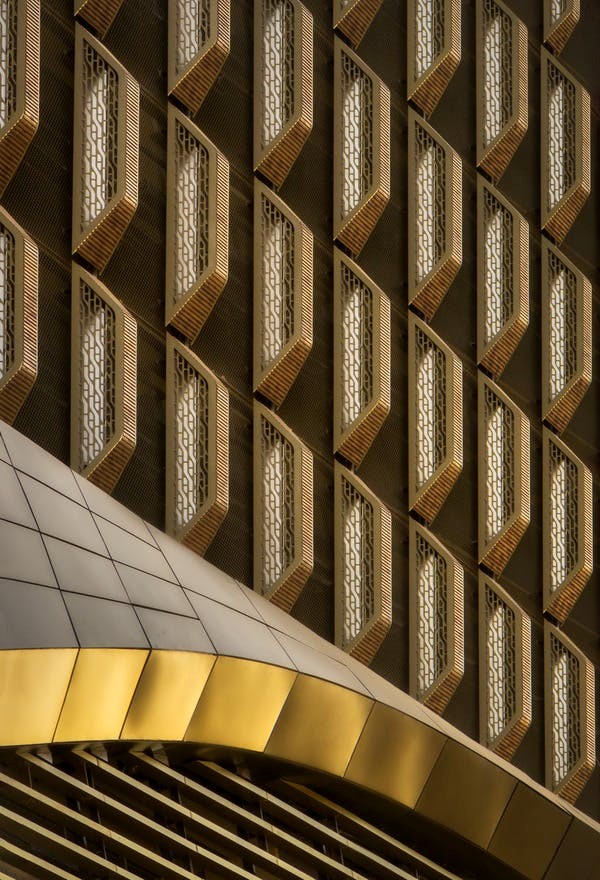
The Wasl Tower, located in the heart of Downtown Dubai, has now been fully completed. The project was realized through the collaboration of UNStudio (UNS) and chief engineering consultant Werner Sobek. Since 2013, the design team has worked closely with developer Wasl Group, aiming to create a supertall building that supports the UAE’s ambition to be a global pioneer in sustainable transformation, while writing a new chapter in Dubai’s century-long vision for world-class architecture. Today, Wasl Tower stands as an innovative, flexible, and sustainable landmark on the city’s skyline—more than just a building, it embodies mobility, sustainability and the limitless possibilities of the future.
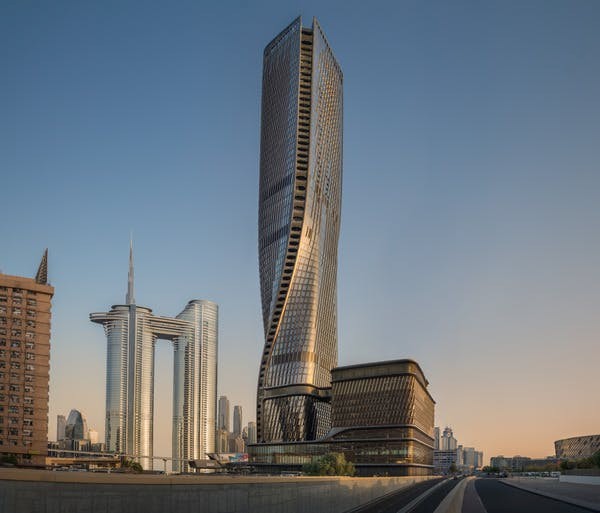
Rising 302 meters beside Sheikh Zayed Road, in the core of Downtown Dubai near the Burj Khalifa, the tower was completed at the end of 2025. It is among the tallest towers in the world to feature a ceramic façade, setting a new architectural benchmark for the region and maximizing the sustainable advantages of this timeless material.
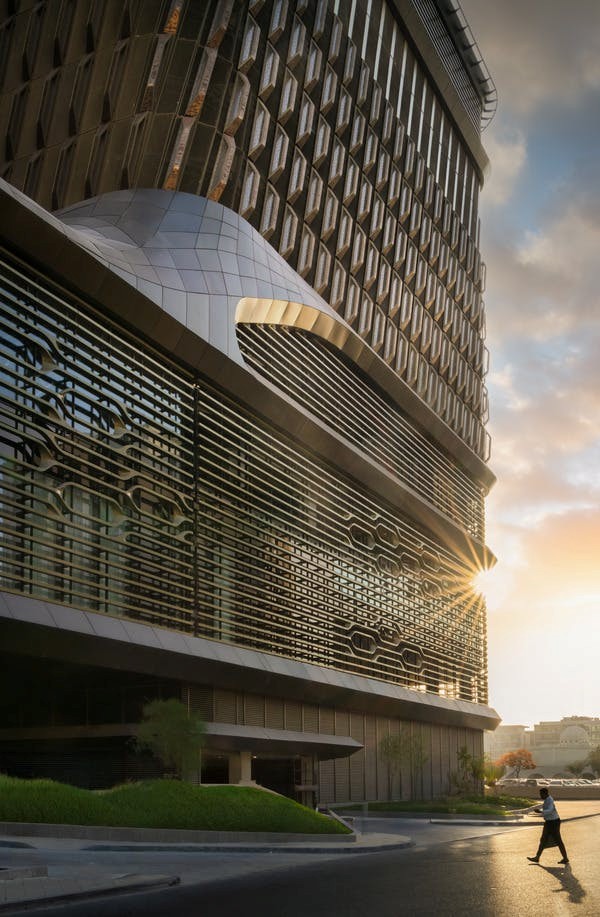
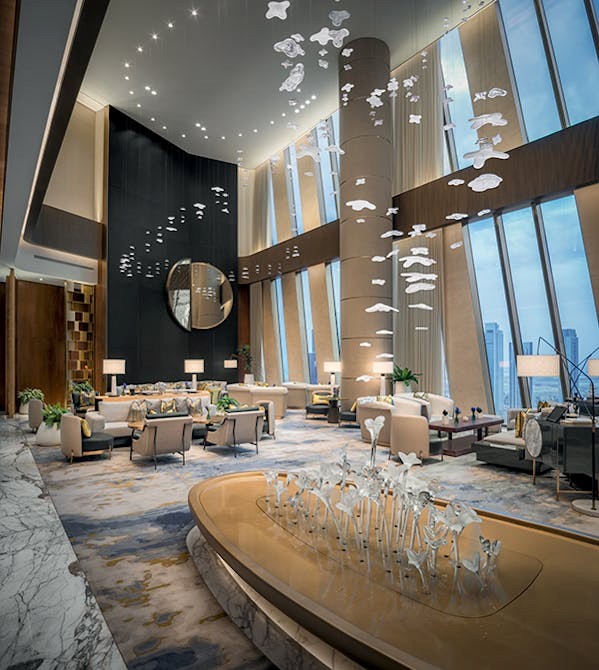
The tower excels in addressing Dubai’s harsh climate. Its façade integrates passive shading and cooling technologies, while the folded and twisted form minimizes solar heat gain and enhances the shading performance of its durable ceramic skin. Dynamic connections to surrounding infrastructure, a diverse mix of uses and a relentless pursuit of sustainability form the driving forces behind its design.
UNStudio’s concept responds to the site’s transport advantages—metro, pedestrian pathways, and major city roads converge here. Inspired by the classical sculptural principle of “contrapposto balance,” the tower presents shifting silhouettes from multiple directions, adding a sense of movement to the cityscape.
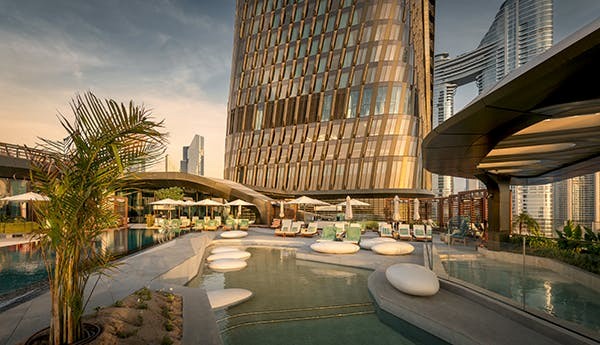
With a total floor area of 167,733 square meters, Wasl Tower hosts a wide range of programs: the Mandarin Oriental Downtown Dubai Hotel, luxury residences, offices, a multi-level wellness spa, banquet halls and conference facilities – creating a vertical community serving diverse groups. Elevated public spaces provide opportunities for dining, wellness, and social encounters high above the city.
“Our goal was to make the experience of visiting Wasl Tower both attractive and contemporary. Health, comfort, and well-being are embedded throughout the design.”
— Ben van Berkel, UNStudio Founder & Principal Architect
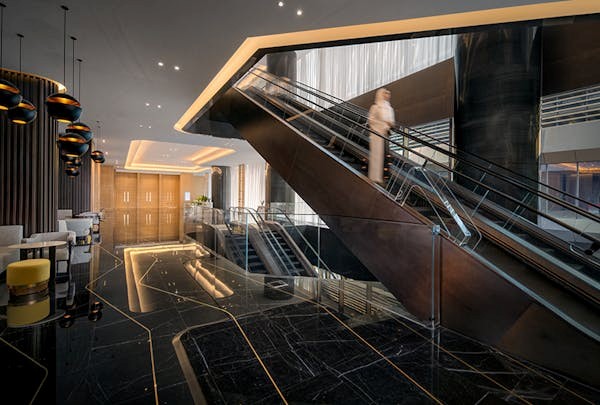
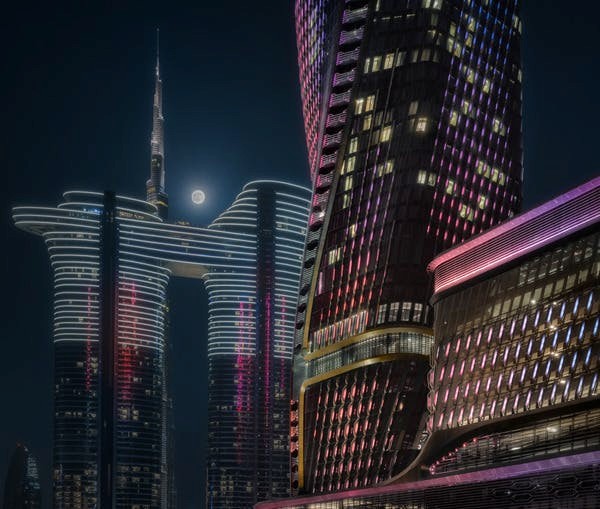
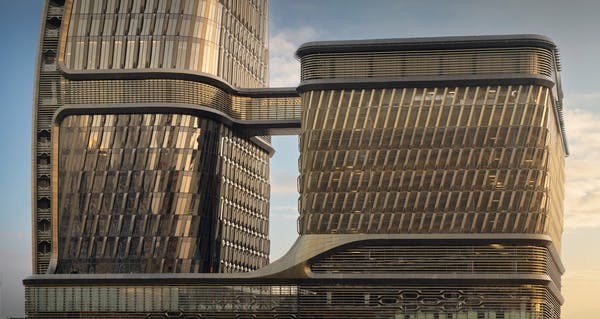
As the tallest building in the region with a ceramic façade, Wasl Tower reinterprets traditional materials for modern innovation. Thousands of ceramic louvers provide efficient shading, reduce heat radiation, and capture high-altitude airflow, cutting cooling loads by around 10% compared to older towers. Each custom ceramic element features a baked metallic glaze, creating visual variety across seasons and times of day. Airflow guided around the façade cools the ceramic modules, while cavities between the louvers and curtain wall enhance passive cooling. The façade also integrates a custom lighting system designed with Arup Lighting, programmed to reflect Dubai’s 24-hour rhythm—transforming the tower into a vibrant participant in the city’s nightscape.
The tower is not an isolated structure but a hub connecting infrastructure, urban functions, and people. Strategically positioned, it bridges the Burj Khalifa district with City Walk, offering semi-public areas, shared facilities, and elevated gathering spaces. Restaurants, bars, and public amenities extend access beyond residents and hotel guests.
A carefully planned vertical circulation system ensures smooth transitions between functions. Seventeen elevators—including express lifts linking the spa, sky lobby, and rooftop—support efficient movement. A 1,500-square-meter column-free banquet hall and green courtyard connect to the tower via a sky bridge, enhancing accessibility and urban experience.
Sustainability is embedded through Werner Sobek’s “beneficial to people and environment” framework. Ceramic louvers, solar thermal panels, reflective glass, daylight-responsive LED lighting, and integrated heat pumps reduce energy use and carbon footprint. Locally sourced granite, recycled PET acoustic panels, and low-VOC finishes further reinforce environmental responsibility. Structural innovations—such as post-tensioned slabs and hybrid concrete columns—reduced concrete use by 3,000 cubic meters, while CO₂-based ventilation and abundant natural light promote occupant well-being.
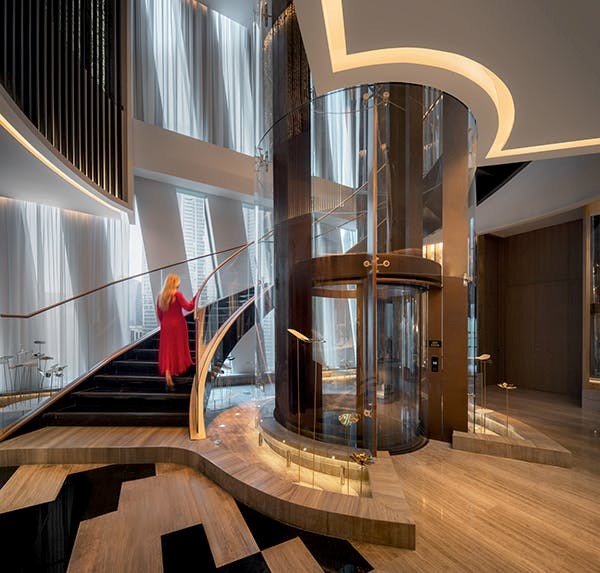
Inside, the Mandarin Oriental Hotel exemplifies the fusion of architecture and luxury hospitality. Designed in collaboration with GA Design, the hotel is organized into “vertical neighborhoods” with wellness, dining, and event spaces distributed across levels. Highlights include a sky lobby on floors 35–37, social venues on floors 61–62 with panoramic views, and tranquil wellness facilities on floors 11–12. This integration of hotel experience into the tower’s macro design earned the project the 2025 Identity Design Award for Hotel Architecture in the Middle East.