







Crossing the River: The Hong Kong-based circular design studio will present for the first time in the Isola Design District's curated "No Space for Waste" exhibition
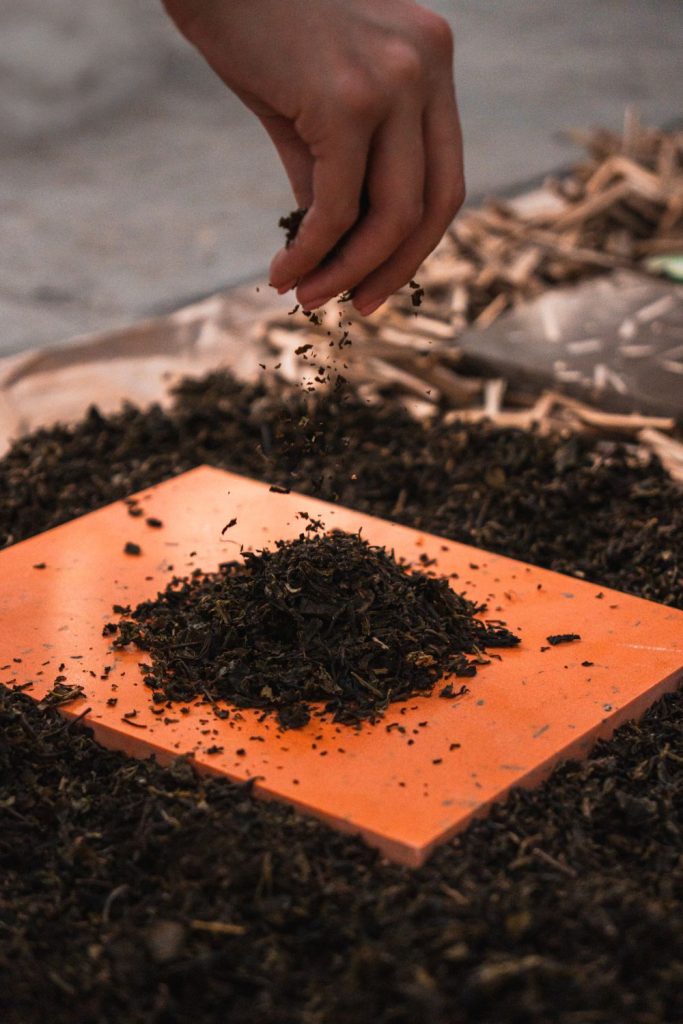
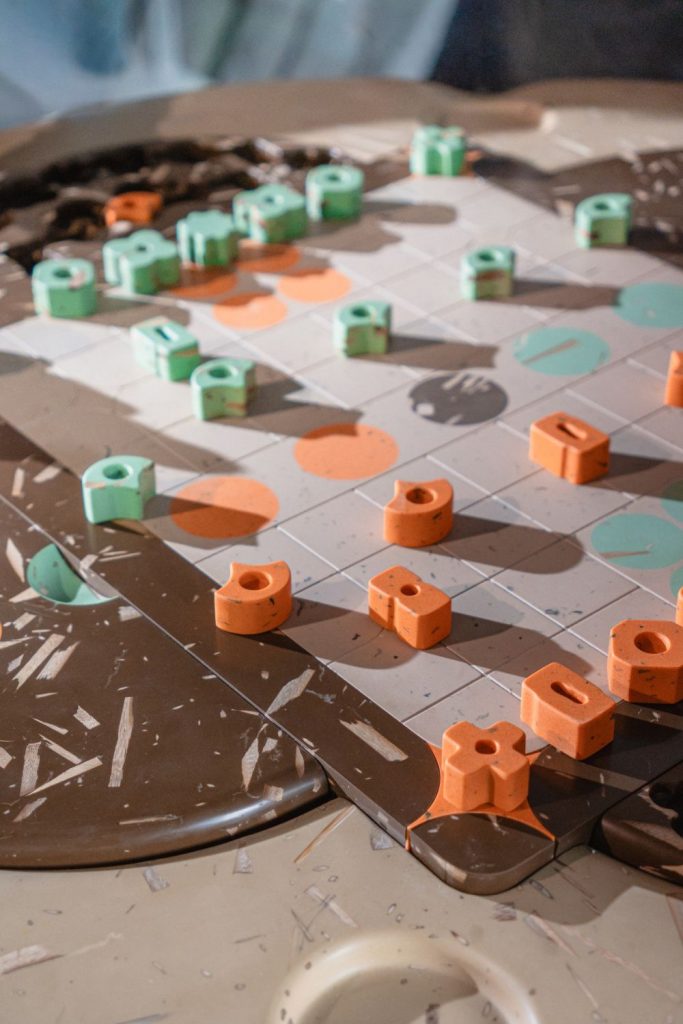
HONG KONG, 14 April 2026 — reEDIT, the Hong Kong-based circular design studio behind EDITECTURE, will make its European debut at Milan Design Week 2026 (20-26 April), presenting “The Upcycled Gambit — Bamboo & Brew Chess Table Set” — a one of a kind chess table and stool set handcrafted from reclaimed materials.
The installation will be exhibited as part of the Isola Design District’s “No Space for Waste,” one of the district’s flagship curated showcases. As a Hong Kong studio selected for this year’s exhibition, reEDIT studio frames the moment as its own “Crossing the River.” In xiàngqí (Chinese chess), a piece that crosses the river gains new powers. For reEDIT, this selection marks the crossing from Hong Kong to Milan, from local practice to global stage, from discarded materials to designed wonder.
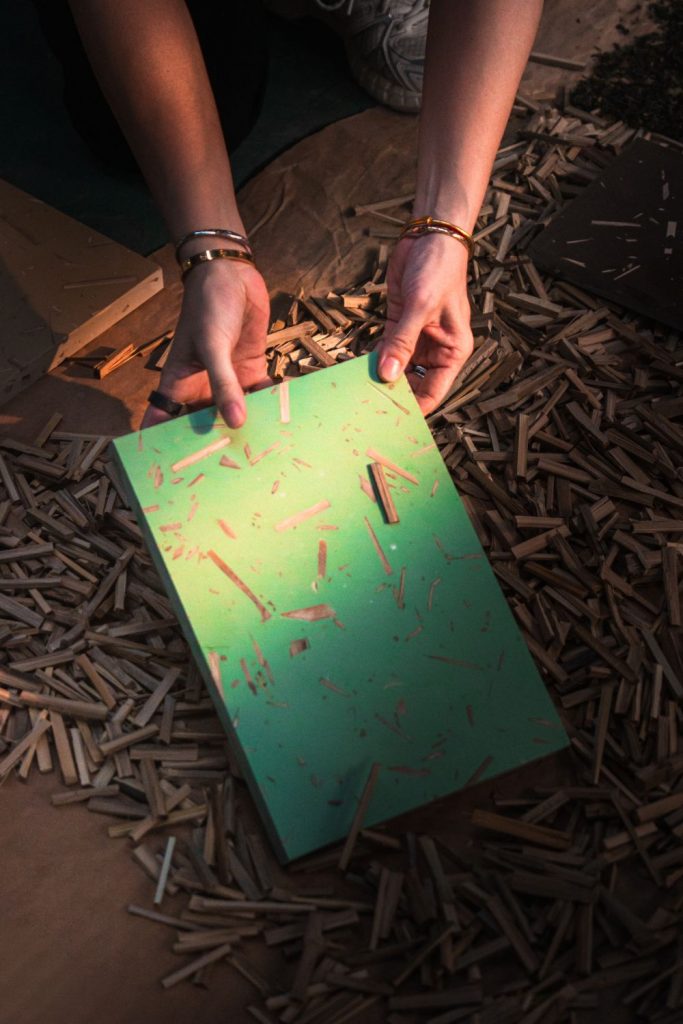
The chess set brings reEDIT’s upcycle design approach, “Turn Waste to Wonder” to life. Its surface is made with upcycled stones that combine dried milk tea leaves and bamboo fibres, both collected from Hong Kong’s streets — a nod to the city’s beloved drink and its traditional scaffolding. The structural body is 3D-printed from upcycled rPET plastic, the same material the studio has used to divert over 6,227 kg of plastic waste and saved 2,227 kg of CO₂ equivalent through past collaborations with brands including L’Occitane, Mercedes-Benz and Coca-Cola. Together, these materials create a functional, social object that carries both cultural resonance and environmental impact. Designed as a meditation on local identity, connection, and material memory, “The Upcycled Gambit — Bamboo & Brew Chess Table Set” reflects how digital life is increasingly replacing face-to-face interaction. Once a common social activity in Hong Kong, street-side chess is gradually fading from collective memory. The game reinterprets both traditional Eastern and Western versions of chess, sparking a dialogue that invites people to gather, play, and engage with the materials and the stories they carry.
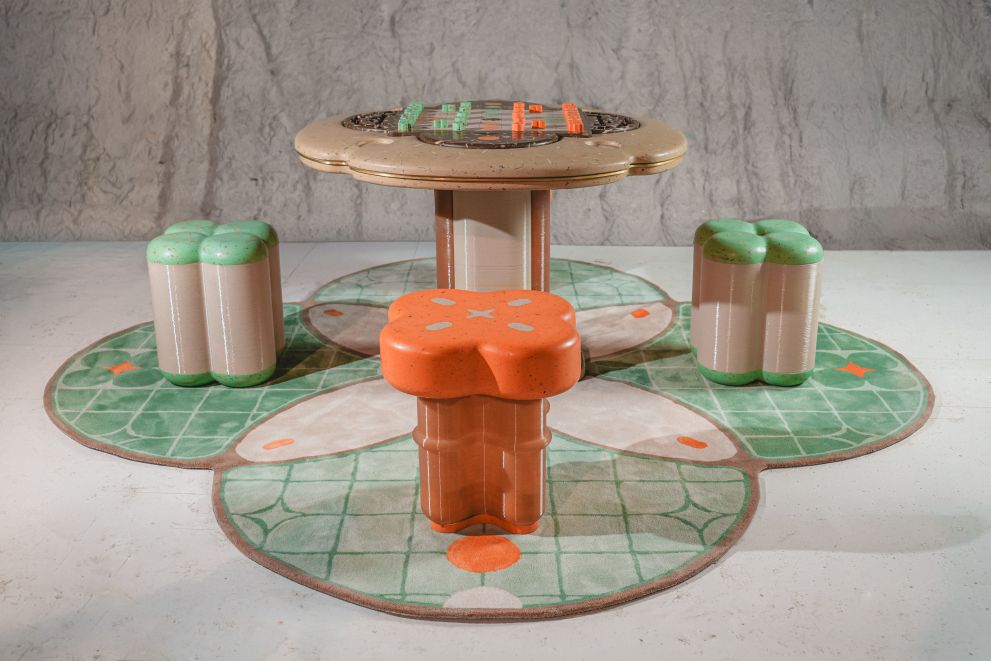
Jacqueline Chak, Co-Founder of reEDIT and EDITECTURE, comments: “We wanted to explore how a functional, social object — a chess table — could carry a deeper story about where it came from. The milk tea leaves used for the surface of this table are the same ones we’ve been collecting in Hong Kong. We are bringing our home’s cultural DNA to the global stage.”
Samples of the materials in their various forms and a short documentary about the making of the piece will also be featured as part of the installation.