












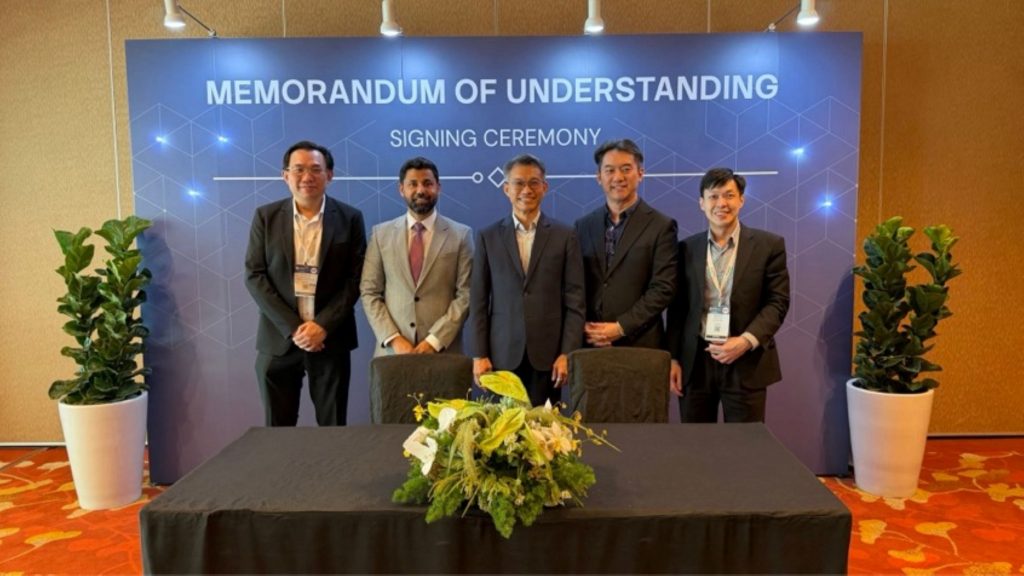
Partnership will connect Singapore’s built environment capabilities and innovations with AtkinsRéalis’ experience across Saudi Arabia and the UAE
AtkinsRéalis, a world-class engineering services, and BCA International Pte Ltd (BCAI), a subsidiary of Singapore’s Building and Construction Authority (BCA), have signed a non-binding Memorandum of Understanding to explore outcomes-led, evidence based innovation collaborations to transform and improve urban development and infrastructure opportunities in the Middle East.
The MOU provides a framework to connect relevant capabilities from Singapore’s built environment ecosystem with AtkinsRéalis’ regional advisory, engineering and delivery experience, helping accelerate the evaluation and adoption of innovative solutions to emerging urban and infrastructure challenges. AtkinsRéalis and BCAI will initially assess opportunities where sustainable urban development, scenario-based decision support tools, construction productivity and long-term asset performance can address a defined client requirements and emerging market needs.
Potential activities include targeted market engagement, the co-design of specific use cases and the assessment of candidate demonstrator and/or client opportunities. Any future activities will be progressed subject to separate agreement(s).
Matthew Tribe, Senior Vice President Buildings and Places, AtkinsRéalis Middle East, said:
“The cities shaping the next decade will be those that combine ambition with livability, creating places that are connected, resilient and designed around the people who use them every day. As urban growth accelerates across the Middle East, there is enormous value in learning from international models that have successfully integrated innovation, planning and long-term thinking into the fabric of city development. This may be advanced through CityZenX, an innovation platform focused on identifying, testing and scaling transformative solutions for urban development, sustainability and regeneration challenges. The platform combines strategic design sprints, innovation showcases, academic R&D partnerships, venture incubation and applied pilot deployment to accelerate evidence-based, data analytics informed innovation adoption and commercialization to drive better outcomes for cities and citizens.
This MoU creates an opportunity to bring together Singapore’s built environment expertise with our experience and innovative analytics, planning and design platform and tools to deliver complex, sustainable urban infrastructure programmes across the region. Through collaboration and knowledge exchange, we can help further advance approaches that improve the performance of cities while enhancing the quality of life of the communities they serve, while also supporting the broader evolution of the built environment sector through the adoption of innovative technologies and new ways of working.”
John Tan, Director (Corporate), BCA International, said:
“The challenges facing our cities today cannot be addressed by any one organisation or country alone. Through this collaboration with AtkinsRéalis, we have an opportunity to bring together Singapore’s built environment experience and innovative solutions with AtkinsRéalis’ global expertise, extensive networks and experience in delivering major urban and infrastructure developments in the Middle East. By leveraging each other’s strengths, we hope to co-create new solutions, facilitate greater collaboration between our industries, and translate good ideas into meaningful projects on the ground. Together, we aspire to contribute towards smarter, greener and more liveable cities, and ultimately, a more sustainable and excellent built environment globally.”
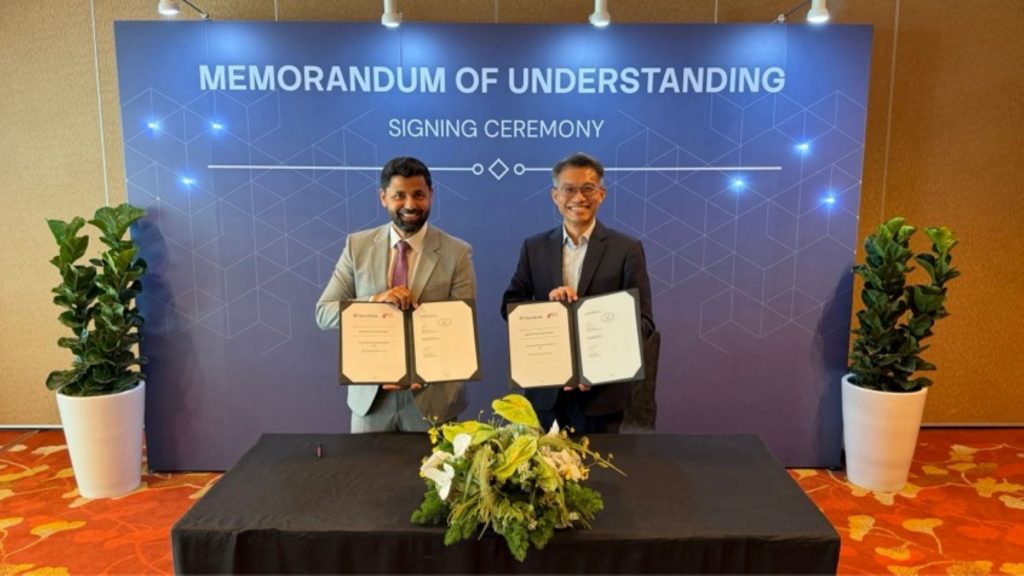
The MoU was formalised during International Built Environment Week 2026 at Marina Bay Sands in Singapore. The event brings together built environment leaders and organisations to exchange knowledge, showcase new solutions and develop international partnerships.
The signing builds on earlier discussions between AtkinsRéalis and BCAI examining how experience from major Middle East city projects could inform collaboration with Singapore’s built environment sector. It also supports both organisations’ intention to establish stronger links between Singapore and two of the Middle East’s most active development markets.