








Benoy is challenging the inquiring architectural minds of its global team in a new research fellowship which sees its designers apply Singapore’s planning rules to create new models for green, high-rise, mixed-use clusters in Hong Kong. As Managing Director – Global Design Simon Bee explains to PRC, with buildings becoming taller and denser to cope with the demands of our modern cities, we need to find new ways to humanise our future development. And a lot can be learnt from pioneering cities like Singapore.
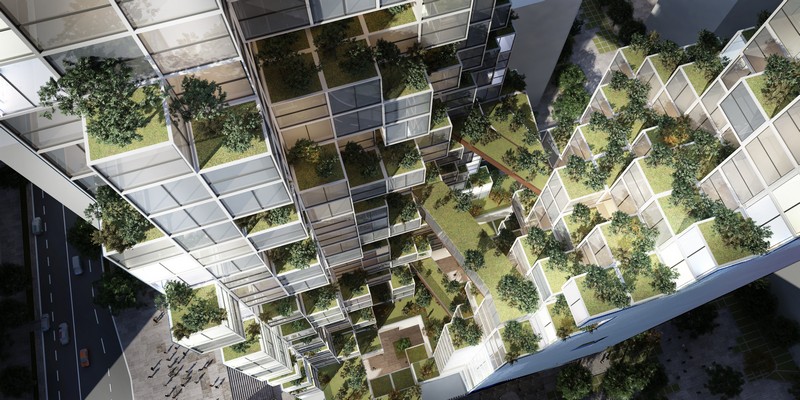
SKY SPACES – WHY VERTICAL CITIES?
Vertical cities are our reality. We all know that as urban populations grow and land becomes scarcer, we will need to build denser, taller mixed-use urban structures to keep up with 21st century living. Density going wrong, however, is a very real concern. If badly conceived, our high-density cities could pave the way for the ‘Slums’ of the future. We must clearly guard against that. You only need to look to the popular science-fiction movies from the last sixty years to see that the dystopian vision of our future living environments is alive in our minds. And what don’t seem to be alive in these predictions are the trees. While our city profiles may become more concentrated and the mix more complex, we still have the opportunity to intervene and humanise the spaces where we live, work and play. By considering the human element in design, we can push our cities into more habitable and sustainable territory, combating the pressures of over development and over complication which will surely be factors we need to overcome.
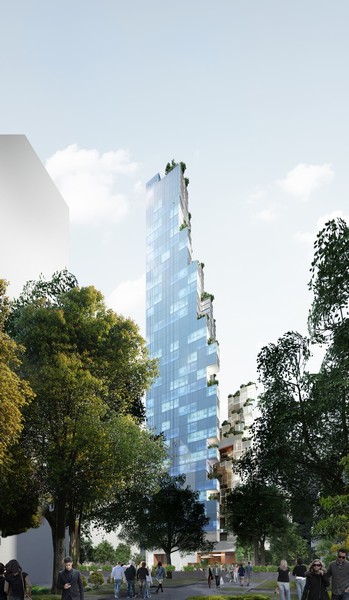
Part of the answer to this conundrum is to carefully consider models of liveability, social viability and recreational amenity in our future developments. Of course, mixed-use is the lifeblood of our best cities and multi-activity development is undoubtedly a key ingredient for richer city environments in the future. Going hand in hand with this is the benefit good landscape and public realm can offer in easing these tensions. I am especially an advocate for creating opportunities for good public spaces high in our buildings – everyone needs their own piece of land, their marketplace or village green – even if they live 40 floors above the ground.
Good landscape has the ability to soften and humanise the harshest environments and the total fusion of architecture and landscape that spawned the ‘Garden City’ movement in the UK a century ago, is now unlocking a new model of contemporary, habitable high-rise in parts of the world. Credit here goes to the substantial improvements in the science and technology of sustainable landscapes which we can benefit from today.
It’s interesting to see how far we have come in a short period of time, radically moving away from the starker, more clinical architectural experiments of the post-war world. Certainly most of the immediate post-war development across the globe did not deliver an abundance of healthy green spaces that we recognise as important to our health and happiness. There are clear exceptions of course – London’s lavishly landscaped and spectacular Barbican complex being a case in point. Several decades on, one might reflect that if landscape technology and urban design had been more interlinked at the time, the pioneers of the 1960s may well have paved the way for greater oxygenation and humanisation of our high-rise, mixed-use developments today and in the future.
So where has our thinking arrived at now? We are heading in the direction that landscaping and good public realm design should pervade every aspect of contemporary mixed-use development. And this is not just at ground level – habitable zones at any level of the building should benefit from a touch of green placemaking. Tall and dense development need not mean isolation from public realm and open spaces. Modern landscape design know-how means that ‘Streets’ and ‘Squares’ in the sky are totally viable and realistic, creating visual spectacle, adding value, and making concentrated living more attractive. If we know this however, where can we experience these design ideals in action?
SINGAPORE TO HONG KONG
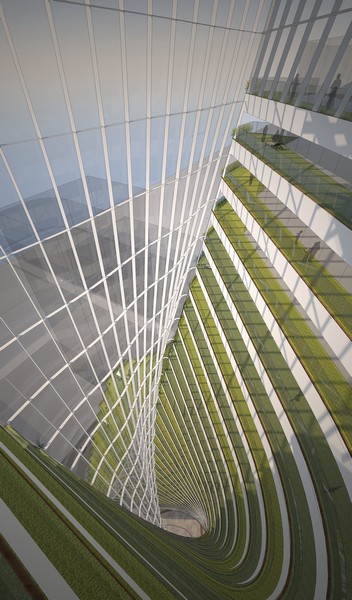
Fortunately for us today, we can see the idea of ‘Hanging Gardens’ as something beyond the fading images of ancient Babylon; just take a trip to modern day Singapore and look around. When I look from Benoy’s studio windows there, I see the strategies that we have mentioned are already a comprehensive reality. Manicured parks at ground level, fully landscaped podium decks with public gardens and sports facilities, open places cut into buildings 30 storeys up and tree-lined promenades and jogging trails linking towers; it is a three-dimensional Garden City in action. These designs are enriching lives and importantly, are promoted by enlightened government planning rules which allow for landscape creativity without compromising floor space. Singapore sets a great example, evolving as it has from its Garden City underpinnings – it is Eden in the making.
BENOY’S DESIGN FELLOWSHIP
The modern day interpretation of the Garden City concept is what our global team is currently exploring through the 2nd Annual Peter McCaffery Fellowship at Benoy this year. Utilising the principles and planning codes which have been so successful in Singapore on a live site in Hong Kong, our designers are advancing their thinking of what our urban contributions for mixed-use tall buildings should be. We are investigating the best ways to integrate new public spaces into high-rise, creating people places in the sky as well as connecting to and revitalising the streetscape. We need to move beyond designing two-dimensional, ground-based urban solutions, to well-landscaped, three-dimensional connected spaces which will have a marked impact on how we will live tomorrow.
And taking a leaf out of Singa pore’s book is a good start. Benoy’s 2nd Annual Peter McCaffery Fellowship which investigates new thinking for Hong Kong’s future tall buildings will be showcased at an exhibition event later this year. For more information, please contact Brittany. [email protected]. Simon Bee will also present a collection of the global team’s entries at the PRC ‘Build4Asia’ Cocktail Event on 5 May 2016.
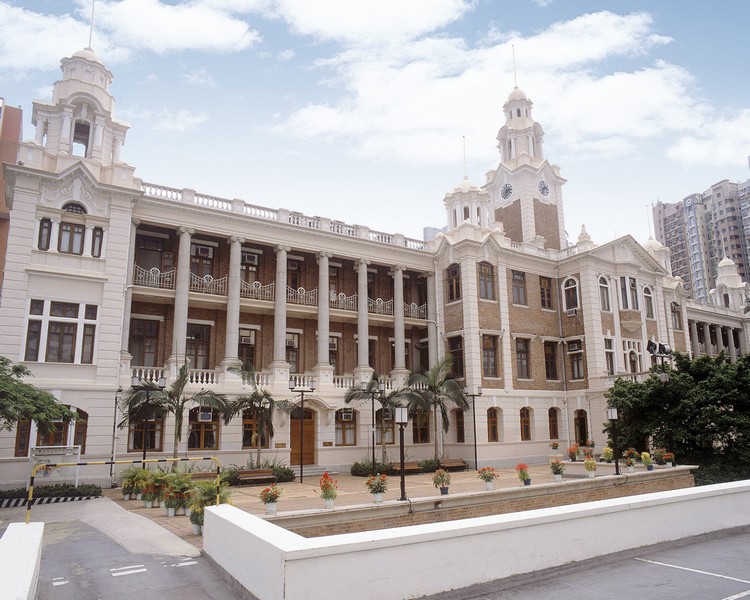
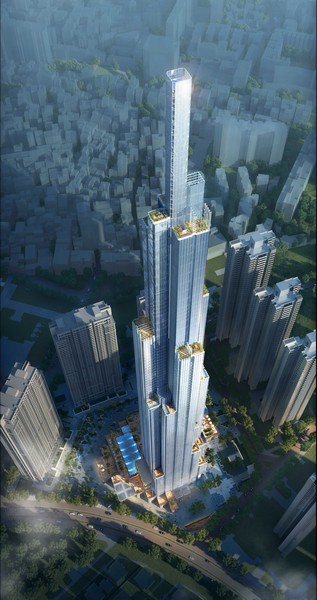
Images: Preview of the designs submitted by Benoy’s Global Team as part of the 2nd Annual Peter McCaffery Fellowship.