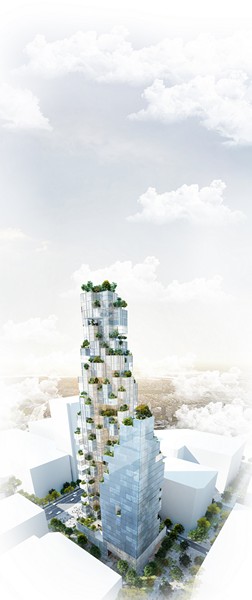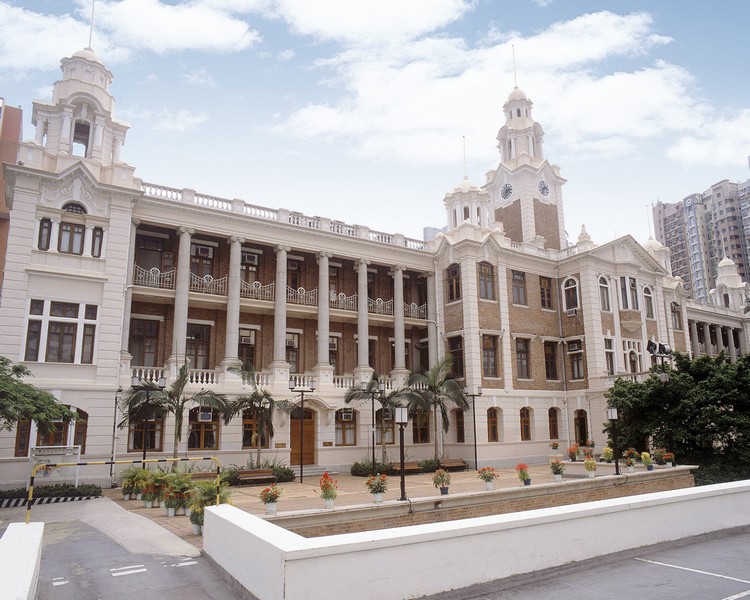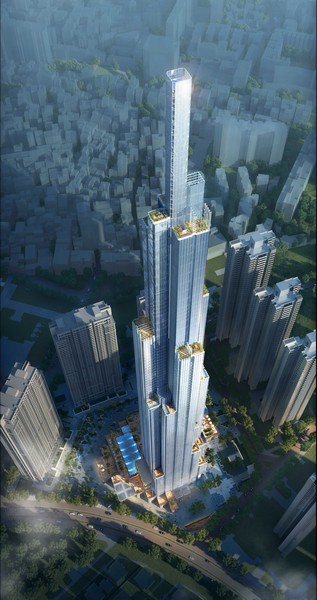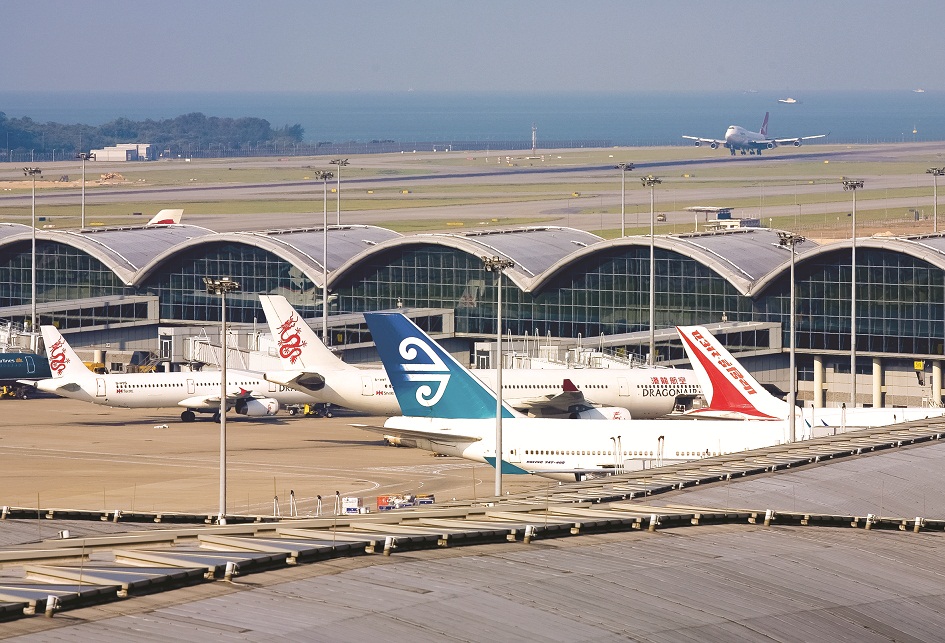










A new way to approaching land-use and the consumption of resources within urban areas is needed if the Asia-Pacific region are to deliver cities that people love to live in and sustain high-levels of growth.
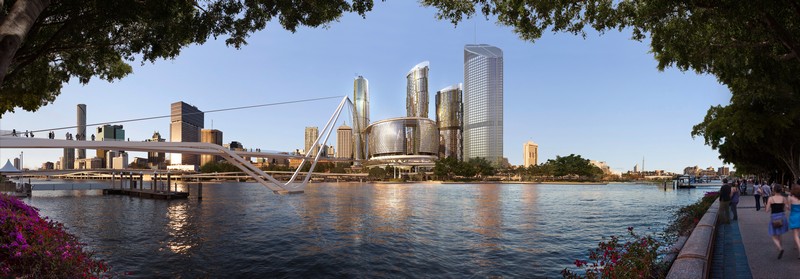
*Destination Brisbane Consortium 2015. All rights reserved. Images are artist’s impression. Subject to planning approvals.
The driver of global economic growth is undoubtedly the Asia-Pacific region, and the biggest factor in providing that point of difference is urbanisation. Over the past two decades, concentration of people, and market forces, in cities has helped enhance their lifestyles and in turn fuelled the expansion of the region’s cities.
When considering the power of urbanisation, environmental concerns and the highest-value use of scarce resources such as land are among the key concerns. Often what is overlooked or is at least harder to quantify are the social aspects of a philosophy that approaches greater sustainability.
FORWARD PLANNING
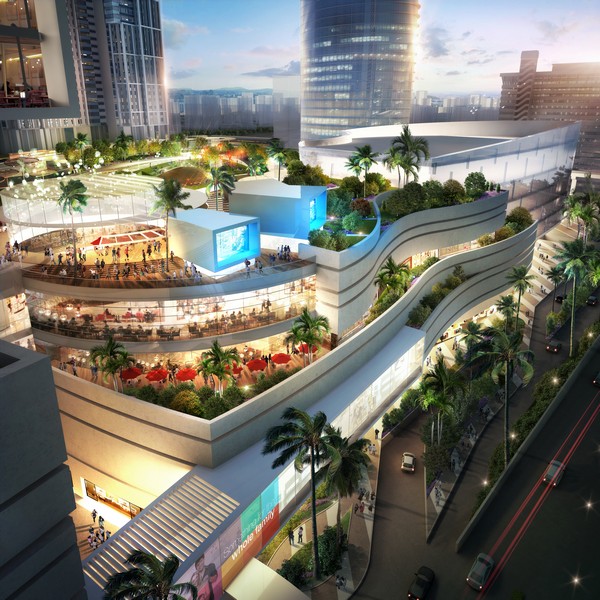
Destination Brisbane Consortium 2015. All rights reserved. Images are artist’s impression. Subject to planning approvals.
A study on Sydney’s Circular Quay took a fresh look at creating an urban gateway for international visitors to one of the world’s great cities. It identified the infrastructural constraints and pointed to potentials to deliver an experiencebased, more vibrant and integrated urban gateway to the city’s business district. For a prime water front district in Australia’s biggest city, the experience through Circular Quay is constantly disrupted by flyover, highways and transportation infrastructures which are several decades old. The study pinpoints opportunities and recommend surgical interventions to recreate people centric places and bring vibrancy back to a CBD which is usually sleepy after hours. There are opportunities to enhance Sydney’s spirit and authenticity by creating a global destination at the water’s edge – a Times Square on the waterfront for the South Pacific. The development should also work to improve the city’s physical and social fabric to attract global talent to the country.
CHALLENGING THE NORM
Traditional urban planning is losing relevance. Older ways of thinking about the built environment scarcely satisfy the aspirations of global citizens. Modern city-dwellers are better travelled than ever before, more sophisticated and have greater access to a broader range of information than any other generation that has gone before. The existing planning codes and parameters used in the blueprints to plan traffic flow, lot size, height control and other infrastructure do not fully take
into account the cost of future resources. A more sustainable foundation would see terra firma as a natural resource that enjoys an intimate relationship to the remainder of the city’s resources and its people . More efficient transportation systems will mean fewer resources spent on constructing roads, parking and areas that are otherwise devoid of life. That will leave more space for greenery, open parks and meandering connective space that will all contribute towards bringing nature back to the urban environment. Other innovations will help ease transportation woes and among them the driverless car will arguably have the greatest impact in designing a city and the places w e inhabit.
RESHAPING BRISBANE
Destination Brisbane Consortium 2015. All rights reserved. Images are artist’s impression. Subject to planning approvals.
At the most basic level, architects and designers are shaping the behaviour of people as they interact with places. If we consider a city is a series of places or environments that interact with each other and can change over time, then cities also have a variable effect on individuals, in effect, shaping how they evolve.
If that is the case – and I believe it is – the design of cities should be driven by a greater respect for adaptability and for building resilience. Implicit to both of these needs is an understanding that social sustainability is the foundation of good planning.
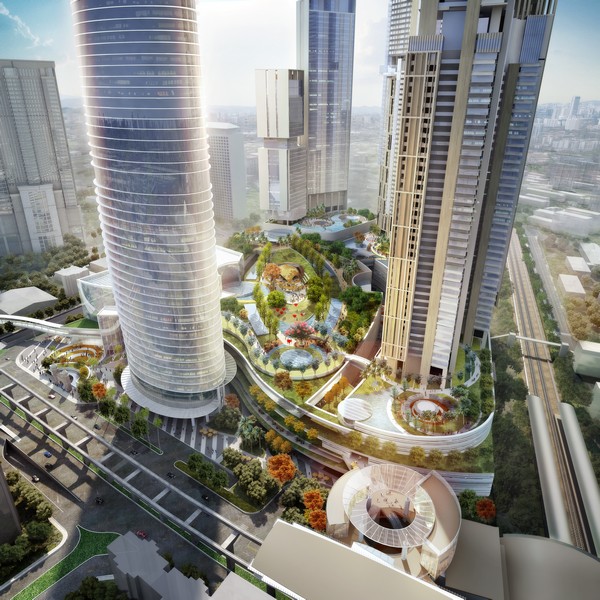
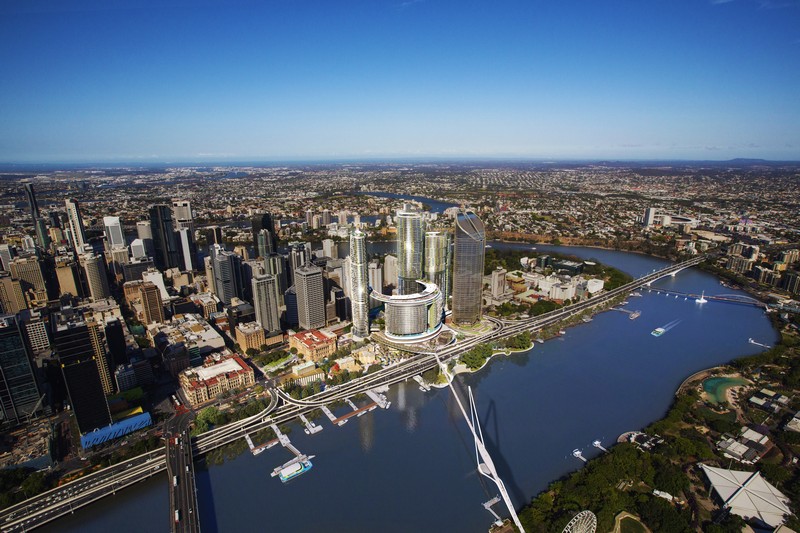
The biggest integrated resort project recently undertaken in Australia, Queen’s Wharf in the City of Brisbane, is designed to reassemble the unravelled fabric of that city’s Central Business District. The design will reconnect the waterfront along the Brisbane River with the Botanical Gardens, the downtown CBD district, and the South Bank cultural venues creating a
river-front destination physically a condensed version of the Bund in Shanghai. Connection to the water and bringing together both sides of the River with their complementary offerings, including new amenities at Queen’s Wharf integrated resort, is critical in r ecreating the identity unique f or Brisbane. Walkability will be given priority. The pedestrian networks will weave through
the water front and re-stitch the inland fabric including existing heritage sites. The historical Treasury Building – currently housing a casino and hotel complex – will be preserved, repurposed and woven into the broader mix of amenities.
Unlike the orthodox use for an up-scale destination, with exclusivity hardwired into the design, Queen’s Wharf is designed to fully embrace the city’s communities by blurring the line between the inside and the public realm. Instead both are part of the destination – physically and programmatically. On regional terms, the revitalized Brisbane CBD will complement the famed
beach front destinations like Gold Coast and Sunshine Coast and enhance Queensland’s attractiveness to both locals and visitors.
Similarly, in the bustling centre of Kuala Lumpur, another development involving The Jerde Partnership, the Bukit Bintang City Centre, integrates high-density development with the local landscape in a concentration of offices, apartments and lifestyle destinations. In breaking the mould of an internalised shopping mall and its affiliated developments, the design connects with the adjacent streets. The development is partially covered to provide protection from the weather and to work with local climatic conditions.
The common language here is one of openness, inclusive and connectivity. More than half of the land is d edicated to open space, park, greenery, plaza and connecting paths. These paths are open to the community in a physical representation of creating a place for the people and a stage for the city. The benefits should be extraordinary, as the city creates a home for the project, nestled against the adjacent cultural offerings, food market and heritage buildings.
ASPIRATION
Destination Brisbane Consortium 2015. All rights reserved. Images are artist’s impression. Subject to planning approvals.
Sustainability as a philosophy encompasses environmental, social and economic themes. Each is an interrelated part of the whole, instead of individual components. Public places are the stages in the city of the future. The visions from these stages directly influence their desirability and ability to attract global talent. While architects can deliver buildings that check all the boxes on the “green list”, creating a place that people love with a longer lasting impact and social sustainability impact requires a deep understanding of people’s aspirations. More than trying to guess what people want, farsighted ideas dedicated to place-making can shape an environment better than people imagine and sustain social participation. The way to create sustainable cities comes through a respect for the evolution of place-making and integrating authenticity with modern day needs and the constraints of urban planning.